Operations | Monitoring | ITSM | DevOps | Cloud

The latest News and Information on DevOps, CI/CD, Automation and related technologies.

How to Run Kubernetes on AWS?

In the last years, Kubernetes has grown tremendously and is considered by most companies to be the best platform to run applications today. In simple words, Kubernetes is an open-source container orchestration platform that allows you to run and manage containerized applications at scale. In this article, I will explain how you can run Kubernetes on AWS in 3 different ways. But before getting down the road, let me explain why it does make sense to run Kubernetes on AWS.

Resource Availability Monitoring with Turbo360

In the ever-evolving landscape of cloud computing, Azure stands out as a powerhouse for businesses seeking scalable, reliable, and efficient solutions. One of the fundamental aspects of Azure’s appeal is its vast array of resources catering to diverse needs. Azure offers a rich ecosystem of resources, ranging from virtual machines (VMs) and storage accounts to databases, networking components, and beyond.

Ensure your models flow with the JFrog plugin for MLflow

Just a few years back, developing AI/ML (Machine Learning) models was a secluded endeavor, primarily undertaken by small teams of developers and data scientists away from public scrutiny. However, with the surge in GenAI/LLMs, open-source models, and ML development tools, there’s been a significant democratization of model creation, with more developers and organizations engaging in ML model development than ever before.

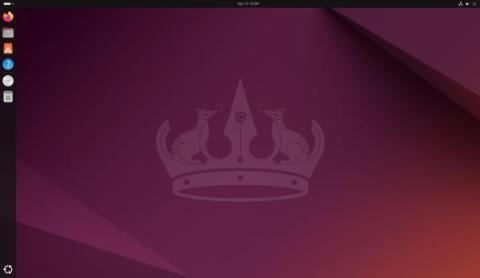
Canonical releases Ubuntu 24.04 LTS Noble Numbat

Ubuntu 24.04 LTS builds on the advancements of the last three interim releases as well as the contributions of open source developers from around the world to ensure a secure, optimised and forward looking platform. “Ubuntu 24.04 LTS takes a bold step into performance engineering and confidential computing to deliver an enterprise-grade innovation platform, supported for at least 12 years”, said Mark Shuttleworth, CEO of Canonical.

Revamp Your Code Reviews with GitLens

Code reviews can quickly become code catch-ups – you’re sifting through countless commits, trying to understand the story behind a particular piece of code. Who made this change? When was this pushed? Which files were modified? These blockers can make code reviews feel like wasted time digging through the project’s commit history. That’s where GitLens comes into play, providing powerful Git functionalities right into VS Code.

What are EED and CSRD: Why They Matter for Data Centre Management

In recent years, sustainability has become a top priority for industries worldwide, and the data centre sector is no exception. As governments strive to reduce carbon footprints and mitigate climate change, regulatory directives such as the Energy Efficiency Directive (EED) and the Corporate Sustainability Reporting Directive (CSRD) are playing a crucial role in reshaping how data centres operate and manage their environmental impact.

Beyond SLAs: Rethinking Service Level Objectives in Incident Response

In the context of IT service management, Service Level Agreements (SLAs) have long been the cornerstone for measuring and ensuring the quality of services provided to customers. However, as technology evolves and incidents become more complex, relying solely on SLAs may not be sufficient. This is where Service Level Objectives (SLOs) come into play, offering a more nuanced approach to Incident Response.

From bottlenecks to breakthrough: The impact of closed-loop remediation

The economy and businesses closely rely on network infrastructures functioning efficiently. Minor network bottlenecks and snags can cost companies a good chunk of money and negatively affect their reputation. When there is so much to lose, the natural reaction of organizations is to throw more people and, in turn, more money at the problem.