


Operations | Monitoring | ITSM | DevOps | Cloud

The latest News and Information on Monitoring for Websites, Applications, APIs, Infrastructure, and other technologies.

Comprehensive Guide to Log Aggregation Techniques and Tools

Logs can provide vital insights to help you monitor system health, pinpoint and resolve issues, and improve cybersecurity. They capture real-time errors and record information about events and other system activities, shedding light on everything from application performance to security threats. However, managing logs can be overwhelming. To get the most out of your logs, you need to aggregate them into a centralized system where they can be organized, searched, and analyzed effectively.

How to Use Playwright to Validate an API Response Schema (PWT-Native and Zod)

In this video, Stefan Judis, Playwright ambassador, explores ways to apply schema validation for API responses. We dive into three detailed examples: By the end of this tutorial, you'll learn how to employ Playwright's native methods or a JSON validation library such as Zod to ensure your API responses meet expected schemas.

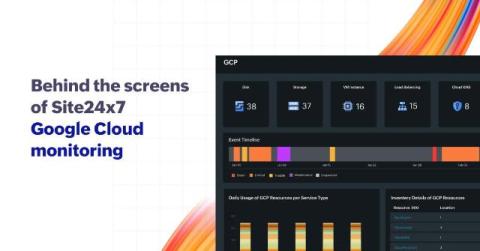
Behind the screens: Site24x7's Google Cloud Monitoring architecture

Businesses need to operate with precision and efficiency. Monitoring your vast cloud environments is an important aspect of achieving such performance. Site24x7 Google Cloud Monitoring has been an indispensable tool for you and thousands of IT professionals to maintain the health and availability of Google Cloud resources. Have you ever wanted to know how Site24x7 does it without breaking a sweat—even when your cloud resources scale up and down exponentially?

Envoy vs HAProxy: Which Proxy Server Is Right for Your Infrastructure?

Choosing between Envoy and HAProxy isn't just about picking a proxy server. It's about deciding which tool will handle your traffic, balance your loads, and keep your services running when everything else wants to crash. If you're a DevOps engineer or system admin weighing these options, you're in the right place.

How to View and Understand VPC Flow Logs

If you're running workloads in AWS, you've probably heard about VPC Flow Logs. These logs are your eyes and ears for network traffic in your Virtual Private Cloud, and knowing how to check them properly can save you hours of troubleshooting headaches. Whether you're tracking down connectivity issues or monitoring for suspicious activity, this guide will walk you through checking VPC flow logs step by step, with practical examples you can apply today.

Java Util Logging Configuration: A Practical Guide for DevOps & SREs

Setting up proper logging is like having a good navigation system when you're driving through unfamiliar territory. For DevOps engineers and SREs managing Java applications, understanding how to configure the built-in java.util.logging framework is essential knowledge that can save you hours of troubleshooting headaches. Let's break down java util logging configuration in a way that makes sense — no fancy jargon, we promise!

How to build an agentic AIOps business case that delivers high ROI

The mandate is clear: Do more with less. But in IT, that’s often an impossible equation. Engineers are expected to deliver near-perfect uptime, resolve incidents instantly, and manage an increasingly complex tech stack—all while budgets tighten. Yet, despite your best efforts, you—or your team—are still chasing outages, drowning in alerts, and reacting instead of preventing.

How to Improve Performance in PHP

PHP apps can be deceptively simple — until something starts slowing down. Maybe it’s a page load that takes a few seconds too long, or maybe your server costs are creeping up without a clear reason. That’s where performance monitoring comes in. In this guide, we’ll walk through how to monitor and improve the performance of a PHP application. You’ll learn how to use profiling and tracing to identify bottlenecks in your code, and how to optimize your app.

10 Factors Affecting Your Network Performance & How to Fix Them

If your network feels sluggish, you're not alone. After years of battling slow connections, dropped calls, and frustrated end-users, I’ve learned one thing: network performance issues always have a root cause. Maybe your VoIP calls keep cutting out. Maybe cloud apps take forever to load. Or maybe your team complains about "the network being slow" — again. The problem? Networks don’t slow down for no reason.