Operations | Monitoring | ITSM | DevOps | Cloud

Honeycomb Cements Its Position as a Leader in 2022 Gartner Magic Quadrant

Honeycomb ruffled the first of many feathers nearly seven years ago when we coined the term “observability” in talking about production code. Today, we get to celebrate a major victory in our push for the term to break free from its unsuitable parent category, Application Performance Monitoring (APM).

Crossing "The Last Mile" with an Incident Response System

Delivering dependable and high-performing IT services in 2022 requires coordination and collaboration across different workflows, areas of expertise, and even time zones. Whether serving in-house colleagues or external clients, there is immense pressure on IT management to create seamless experiences 24/7/365. Seconds matter when critical systems break down, and slow incident resolution can have costly ramifications on customer experience and employee productivity.

Is your database on Kubernetes production-ready?

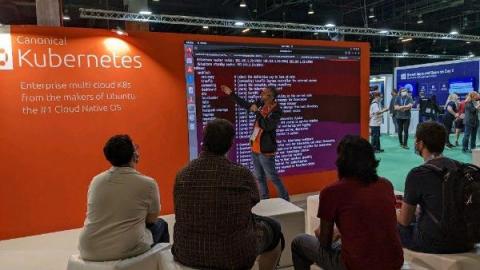
Last May, KubeCon gathered multiple tech enthusiasts, students, professionals, and companies. The event highlighted various topics and insights on how to collaborate on pushing the boundaries of cloud-native computin One of our Engineering Directors, Mykola Marzhan, shared his knowledge about databases on Kubernetes at KubeCon, during a session organised by the DoK.Community. We’ve picked out some of the key highlights from the talk below.

SQL vs NoSQL: Choosing your database

IT leaders, engineers, and developers must consider multiple factors when using a database. There are scores of open source and proprietary databases available, and each offers distinct value to organisations. They can be divided into two primary categories: SQL (relational database) and NoSQL (non-relational database). This article will explore the difference between SQL and NoSQL and which option is best for your use case.

DEVCOM Uses InfluxDB to Connect the Field and the Lab

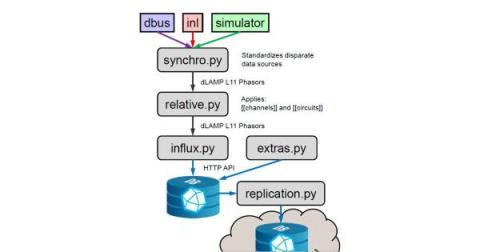
The U.S. Army Combat Capabilities Development Command (DEVCOM) Army Research Laboratory (ARL) faces unique challenges in working with data to develop new technologies. It needs the ability to seamlessly analyze data both in the field and in the lab. Connectivity in the field can also be very unpredictable. Without a database that can handle intermittent connectivity, the systems become inefficient and waste time and money.

Testing Commander.js command line applications

Breaking changes in production are inconvenient and can be costly to fix. Using commands like git clone < some GitHub repository >, executed on your terminal is a common practice, known as using the command line. This practice can be faster and more efficient than using a GUI. For this tutorial, I will walk you through the process of testing command-line applications git, explain why you need command-line applications, and describe in detail how they work.