Operations | Monitoring | ITSM | DevOps | Cloud

The neglected tech arctic winter - Internal SaaS expenses

The current tech winter has a number of glaring stories — cyclical as they may be, there’s one truth that’s been gleaned over more than the rest; the money spent on internal software tools to support tech infrastructure is bloated. And there’s nothing cyclical about this infrastructure spending.

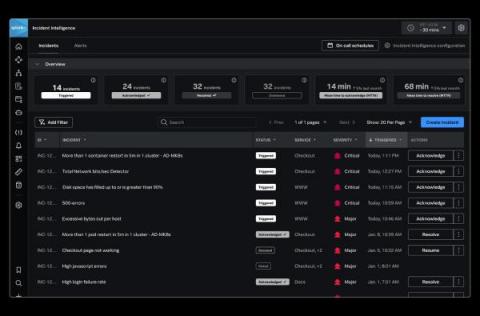
Bring Order to On-call Chaos With Splunk Incident Intelligence

In today’s turbulent times, companies big and small are being pushed to do more with less. Budgets are getting tighter and companies are being pressured to serve customers who demand 24/7 availability from their applications and services. To meet these demands and remain competitive, enterprises are adopting cloud-first strategies and developing applications with microservice architectures.

Five Trends from SREcon Americas 2023

Last week, over five hundred SREs gathered in Santa Clara to share the latest research, tips, tricks, best practices, and more for site reliability engineering. They were joined by some of the biggest names in the reliability space. And, yes, Gremlin was there to answer any and all questions about chaos engineering and proactive reliability. After three days of great conversations and insightful talk, let’s take a look at some of the themes we heard weaving through SRECon.

A Kubernetes Observability Tool to Support SRE Best Practices

Kubernetes can be tough to troubleshoot and remediate fast, especially when you have many interdependent services. This blog, part 3 of 3 in the “8 SRE Best Practices to Help Developers Troubleshoot Kubernetes” series, describes the Kubernetes observability foundation StackState has built to support SRE best practices and enable rapid remediation of issues.

How Cortex can help SRE teams amplify their reach

Site reliability engineers can amplify their reach and influence across teams with Cortex in their toolbox. With the ability to define clear standards and drive progress, Cortex enables everyone at an organization to adopt an SRE mindset. Make sure to visit us at SREcon to learn more about how Cortex can serve as a single source of truth for your SRE team!

How We Define SRE Work, as a Team

Last year, I wrote How We Define SRE Work. This article described how I came up with the charter for the SRE team, which we bootstrapped right around then. It’s been a while. The SRE team is now four engineers and a manager. We are involved in all sorts of things across the organization, across all sorts of spheres. We are embedded in teams and we handle training, vendor management, capacity planning, cluster updates, tooling, and so on.

8 SRE Best Practices to Help Developers Troubleshoot Kubernetes

Maintaining reliable Kubernetes systems is not easy, especially for people who are not Kubernetes experts. This blog, part 2 of 3 in the “8 SRE Best Practices to Help Developers Troubleshoot Kubernetes” series, explains 8 simple best practices SREs can follow to help developers and other SREs build knowledge and effectively troubleshoot issues in applications running on Kubernetes.

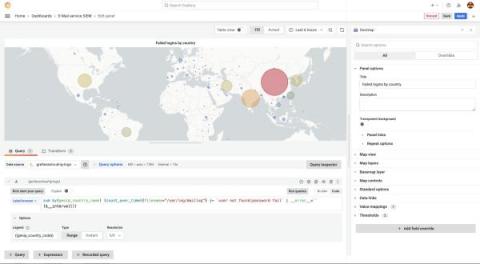
Protect PII and add geolocation data: Monitoring legacy systems with Grafana

Legacy systems often present a challenge when you try to integrate them with modern monitoring tools, especially when they generate log files that contain personally identifiable information (PII) and IP addresses. Thankfully, Grafana Cloud, which is built to work with modern observability tools and data sources, makes it easy to monitor your legacy environments too.

Datadog On Reliability Engineering

There are many different ways to implement Site Reliability Engineering (SRE). From team structures to roles and responsibilities to planning and prioritization flows, there’s no golden path for how to organize things. As Datadog has shifted from a startup to a quickly-growing public company, we’ve seen our own SRE practice evolve. With over 22,000 customers sending trillions of data points each day, keeping Datadog reliable is critical to our business.