The latest News and Information on Incident Management, On-Call, Incident Response and related technologies.
When building an incident response process, it’s easy to get overwhelmed by all the moving parts. Less is more: focus first on building solid foundations that you can develop over time. Here are three things we think form a key part of a strong process. I’d recommend taking these one at a time, introducing incident response throughout your organisation. Just being honest: we’re a startup selling incident management software.
Most folks familiar with BigPanda know that automation is a foundational block of our technology. Our platform automates the entire events pipeline with functions including standardizing and deduplicating alerts, cutting down on the volume of incidents, and automated enrichment that provides better context and alert payloads. But these are all part of an inbound flow of events through integrations.
Remember when Slack went down in early January? The three-hour outage, set off by AWS capacity issues, cost the company an untold amount of money. And the effects rippled across the enterprise. The outage devalued the company’s stock and seemed to send all 142,000 of its customers to Twitter to gripe. This high-profile outage is just the most recent of many outages highlighting the critical nature of continuous availability. And there’s only one answer to the problem.
As an early stage company, one of our biggest priorities is hiring. In fact, we have two company goals this year and one of them is.
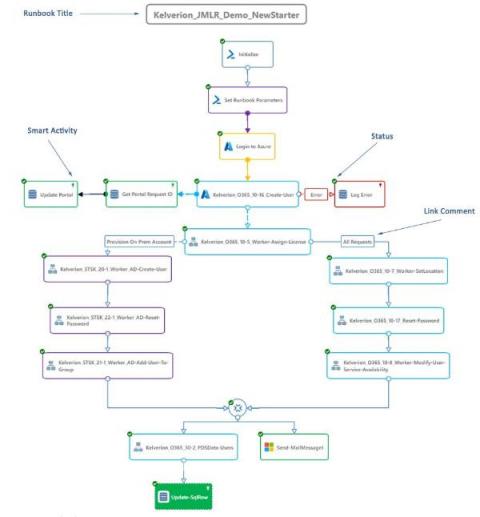
Digital transformation is accelerating rapidly to include virtually all enterprise functions. Organizations of all size, across all industries, are leveraging digital technology to enhance customer service and improve work efficiency. Integrating automation into core business functions has become a must to stay aligned with the ongoing digital revolution. The growing migration to the cloud has resulted in the distribution of company data and applications across multiple locations. This means that many complex business processes must leverage IT resources from the cloud and on-premises. This is where automation and orchestration can greatly improve the performance and efficiency of these complex tasks.