The Next Evolution of Hybrid Cloud Network Monitoring
Reduce risk and improve the security posture across your hybrid cloud with automated network monitoring and threat response.


The latest News and Information on IT Networks and related technologies.
As the tech industry goes green, how does your network stack up – and how can you make it greener?
BGP is effectively the postal service of the Internet. Without BGP, traffic doesn't move. So, when there's a configuration issue, or worse, malicious activity – the repercussions can be huge. That's why constant monitoring of BGP traffic is crucial. In this ten-minute video, Solutions Engineer Zach Henderson explains why BGP issues can damage your bottom line and then shows how to quickly detect, analyze and resolve them with Catchpoint's market-leading BGP Monitoring solution.
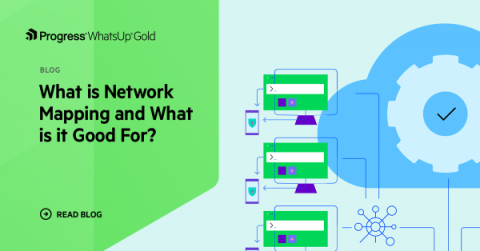
Try to explain your network topology to a stranger in a bar and you’ll get a blank stare—the same look your CEO would give. Show that CEO a map, report or even your network monitoring dashboard, and recognition will creep across their face.
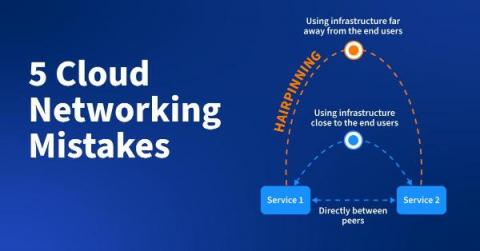
When transitioning from physical infrastructure to the cloud, it’s easy to think that your networks will instantly be faster, more reliable, and produce windfalls of cost savings overnight. Unfortunately, this wishful line of thinking fails to account for some of the complexities of cloud networking and is one of the biggest drivers of the cloud deployment mistakes we see.