Operations | Monitoring | ITSM | DevOps | Cloud

The latest News and Information on DevOps, CI/CD, Automation and related technologies.

How to support a growing Kubernetes cluster with a small etcd

Etcd plays a critical role in your Kubernetes setup: it stores the ever-changing state of your cluster and its objects, and the API server uses this data to manage cluster resources. As your applications thrive and your Kubernetes clusters see more traffic, etcd handles an increasing amount of data. But etcd’s storage space is limited: the recommended maximum is 8 GiB, and a large and dynamic cluster can easily generate enough data to reach that limit.


Building RAG with enterprise open source AI infrastructure

One of the most critical gaps in traditional Large Language Models (LLMs) is that they rely on static knowledge already contained within them. Basically, they might be very good at understanding and responding to prompts, but they often fall short in providing current or highly specific information.

Colocation: just not as we know it

Whilst ‘manifest’ bagged the Word of the Year for 2024, the industry could be forgiven for holding out hope that ‘data centre’ might make it for 2025. Following Rachel Reeves’ first speech as Chancellor that held up data centre development as an example of political commitment to economic growth, there has been wave after wave of investment stories, and most-recently an analysis of the potential £44bn that the sector could yield.

A Developer's Holiday Wish List for the CTO

As the year draws to a close, it’s the perfect time to reflect on achievements and set sights on what could make the next year even better. For engineering teams, this season is an opportunity to dream of the tools, practices, and culture shifts that drive engineering excellence in the year to come. Cortex|

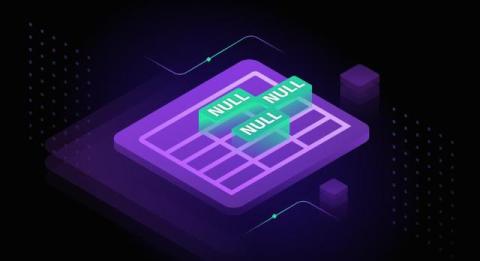
How to Handle Null or Empty Values in SQL Server

When working with databases, we often encounter rows that lack data. This missing data may result from unknown or inapplicable values, errors during data import or input, or specific calculations involving non-existent values. In such cases, there are two ways to represent missing data: NULLs and empty (or blank) values. While these might seem identical at first glance, they are different and impact essential database operations in distinct ways.