Operations | Monitoring | ITSM | DevOps | Cloud

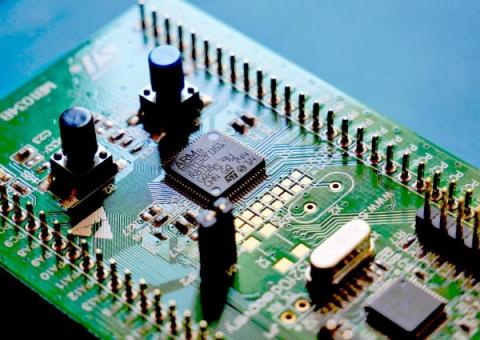
What is embedded Linux? Part I

“Hello everybody out there using minix – I’m doing a (free) operating system (just a hobby, won’t be big and professional like gnu) for 386(486) AT clones. The above is an excerpt from Linus Torvalds’ original announcement of what came to be known worldwide as the Linux operating system (OS), dated August 1991. In hindsight, it is inconceivably modest now that we are in a much better position to appreciate the full revolutionary extent of his post.

Kubernetes 1.23 rc testing with MicroK8s

Today, Kubernetes 1.23 release candidate was made available upstream for testing and experimentation. General availability is planned for December 7th, so now is the time to report back any issues or bugs. Developers, DevOps and open source software enthusiasts can try out the latest features using MicroK8s. MicroK8s is a lightweight, CNCF-certified Kubernetes distribution with a streamlined UX.

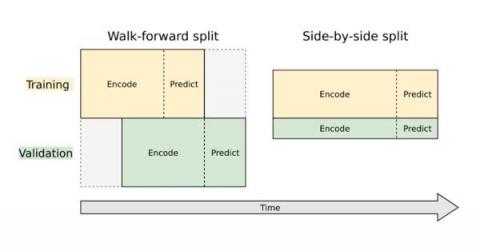
Introduction to Time Series Forecasting with Tensorflow and InfluxDB

Wouldn’t it be nice to be able to perfectly predict the future? We are a long way from being able to do that, but that is basically the goal of anybody working in the data science field — take a bunch of historical data and then try to make future predictions based on that data.

Monitoring Distributed Systems

There was a time when standing up a website or application was simple and straightforward and not the complex networks they are today. Web developers or administrators did not have to worry or even consider the complexity of distributed systems of today. The recipe was straightforward. Do you have a database? Check. Do you have a web server? Check. Great, your system was ready to be deployed.

5 Things Developers Need to Know About Kubernetes Management

Kubernetes management can be daunting for developers who don’t have specialized understanding of the orchestration technology. Learning Kubernetes takes practice and time, a precious commodity for devs who are under pressure to deliver new applications. This post provides direction on what you need to know and what you can skip to take advantage of Kubernetes. Let’s start with five things you need to know.

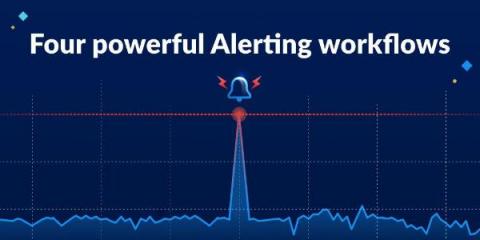
Four powerful Alerting workflows

Since its release last month, Alerting has quickly ingrained itself into the incident response workflow at some of the most technically advanced companies in the world. We’re here to empower your team to do the same. In this blog, we’ll run through four common alerts that you can implement today to ensure you’re maximizing the full potential of Alerting.

Datadog vs. Dynatrace vs. Scout

Application Performance Monitoring is undoubtedly the hottest tool to accelerate any product’s growth in the modern market. The term has grown from a simple performance tracking operation to full-fledged infrastructure, network, and application observability. This evolution has only helped bring more and more growth into products. It is essential to choose the best-suited monitoring solution for your apps since observability involves way too many moving pieces.

Monolithic (Legacy) vs. Microservices Application Development

Microservices are becoming increasingly popular and are considered to be the next flexible, scalable, and reliable approach. Without a doubt, many developers are rethinking their application development methods. However, while many have been quick to jump on the microservices bandwagon, it’s not a decision that you should make lightly.