The latest News and Information on Containers, Kubernetes, Docker and related technologies.
Kubernetes can be tough to troubleshoot and remediate fast, especially when you have many interdependent services. This blog, part 3 of 3 in the “8 SRE Best Practices to Help Developers Troubleshoot Kubernetes” series, describes the Kubernetes observability foundation StackState has built to support SRE best practices and enable rapid remediation of issues.
Kubernetes is a container orchestration system for automating deployment and managing containerized applications. Helm is a Kubernetes package manager that helps you define, install, and upgrade Kubernetes applications. It lets you define reusable templates for Kubernetes components (deployment, service, hpa, service account, etc.) that can be published and shared across applications. In this tutorial, you will learn how to build and install Helm charts for your application to an AWS EKS cluster.
When containers and container orchestration were introduced, they opened the possibility of helping companies utilize physical resources like CPU and memory more efficiently. But as more companies and bigger enterprises have adopted Kubernetes, FinOps professionals may wonder why their cloud bills haven’t gone down—or worse, why they have increased.
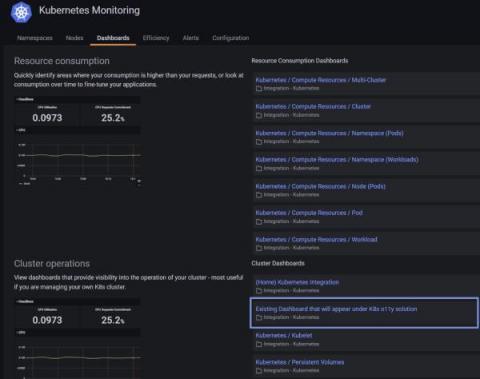
Kubernetes Monitoring in Grafana Cloud is already an observability Swiss Army knife: You can monitor your Kubernetes fleet performance, nodes, pod logs, resource utilization, and overall infrastructure health all in one hosted platform that comes with prebuilt Grafana dashboards to visualize all the important telemetry you need. All of this sounds great … but what if you already have Grafana dashboards and alerts that are custom to your fleet and the way you do business?
PagerDuty provides a SaaS-based platform that enables developers, DevOps, IT operations, and business leaders to prevent and resolve incidents that could potentially impact customer experience. This platform allows organizations to proactively manage events that may affect customers across their IT environment, which is crucial for maintaining customer satisfaction, revenue, and brand reputation.
Kubernetes vs OpenStack is a common dilemma that organisations face when considering the modernisation of their IT infrastructure. Both are well-established open-source technologies for building cloud infrastructure, and both bring tangible benefits, especially when used in combination. Yet, they differ significantly and need to be properly bundled to feel like a fully-integrated solution. What does this mean in practice? Let’s take a look!