Operations | Monitoring | ITSM | DevOps | Cloud

A walkthrough of a root cause analysis with ilert AI SRE

It's 3am and a complaint has made its way to you: customers can't see product reviews. Nothing has crashed, and no alert points anywhere useful. Somewhere in your stack one service is failing, and the one showing the error is probably not it. Before you can fix anything you have to find it, and that search is most of your night. Now imagine you open the laptop, type one sentence and go grab a coffee. By the time you’re back, the root cause is ready, evidence attached. Your job is to check it.

Cloud Monitoring and Incident Response: A Guide to AWS, Azure, and Google Cloud

Effective cloud monitoring and incident response starts with understanding service health, collecting useful diagnostic data, and establishing a clear process for investigating and resolving problems. Whether you use AWS, Azure, Google Cloud, or several providers, the goal is to understand how your systems are performing and take action when reliability is at risk. A dashboard showing healthy virtual machines does not necessarily mean customers can complete a transaction.

Top on-call practices for SREs (by SREs)

This September, we hosted a few of our customers at the ilert headquarters in Cologne. The plan was to share where we're heading, have real-life conversations, and give them more room to ask us questions and share their thoughts. ‍ One part of the day was a discussion about on-call culture with some of the greatest minds in SRE (source: they chose ilert as their incident management tool). We asked our customers: what are your top practices for on-call?

Deployment alerts: know when a renewed certificate doesn't land

Renewing a certificate is the easy part. Getting it onto the server is where automation breaks. Somebody rotates the API token on the firewall. A service account password expires. A VM gets rebuilt and the agent never comes back. The certificate renews right on schedule, the deployment fails, and the server keeps serving the old certificate until it expires. Renewed and deployed are not the same thing.

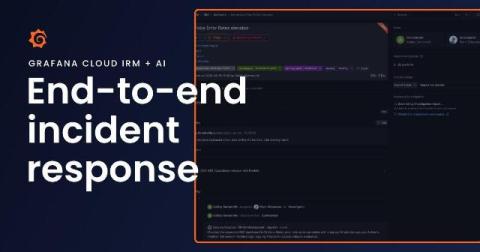
Go from alert to post-incident review with Grafana Cloud IRM and AI

You’ve got 10 minutes before your next meeting when your phone starts ringing. You’re being paged because the frontend is erroring with failed API requests. You open one tool to see what fired, then another to figure out what’s going on. You message a teammate in Slack to see if they’re noticing the same thing. That’s a lot of context switching, and it’s still how a lot of teams' incident response works today. Opening another tool and catching someone up takes time.

SIGNL4 Update: AI-Powered Event Routing, Alert Analytics, On-Call Coverage & More

This October, SIGNL4 is taking a big leap forward! One of our most comprehensive updates yet introduces AI-powered event routing, powerful new analytics to identify alert hotspots and trends, and instant visibility into on-call coverage gaps. Add smarter team and workflow management, plus enhanced security and compliance features, and there’s plenty to explore!

After-Hours IT Support: How to Build a Reliable On-Call Process

IT incidents do not follow a 9-to-5 schedule. A server can go down overnight, a critical application can fail on a weekend, or a high-priority support ticket can arrive when the IT team has already left the office. For IT teams, the challenge goes beyond simply providing after-hours IT support. They need a reliable on-call process that identifies the right responder, delivers critical alerts and ensures timely escalation when necessary.

How to Manage Cloud Alerts: AWS, Azure, and Google Cloud

To manage cloud alerts effectively, define which conditions require immediate action, include useful incident context, and route critical notifications to the engineer currently on call. Add escalation rules for unanswered alerts and test the entire path from detection to response. This process applies whether your team uses AWS, Azure, Google Cloud, or several providers. Cloud monitoring can tell you something is wrong.

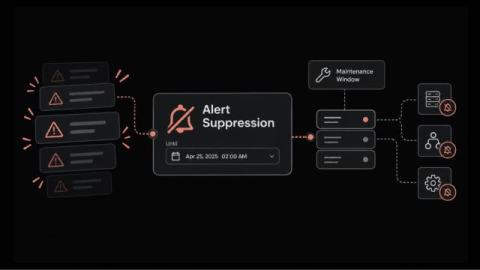
How Alert Suppression Pauses Alerts During Planned Work Without Losing Visibility

How many pages did your on-call engineer get during the last planned firmware upgrade on a core switch? The device stops responding and every dependent check fails. Soon the on-call phone is buzzing with alerts for a change that was approved last week. Alert suppression is a time-limited pause on alerts for a condition you already know about, such as planned work or an issue under investigation. And what is alert suppression from the engineer's side of the console?

8 Best AI SRE Tools in 2026 for Incident Investigation and Reliability

The best AI SRE tools to evaluate in 2026 include Sherlocks AI, Resolve AI, Traversal, Cleric, Rootly AI SRE, Komodor Klaudia, Datadog Bits Investigation, and Dynatrace Intelligence. Each addresses a different part of reliability work, from investigating alerts across multiple systems to diagnosing Kubernetes failures or validating production changes. Choosing the right tool starts with a practical question: where does your team lose time during an incident?