Operations | Monitoring | ITSM | DevOps | Cloud

The latest News and Information on Incident Management, On-Call, Incident Response and related technologies.

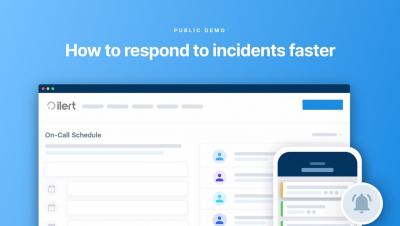
Public Demo - How to respond to incidents faster with ilert

In this public demo, you can get a first overview of how our incident response platform works. Our CEO, Birol, will show you how to manage on-call, respond to incidents and communicate them via status pages using a single application. Learn how ilert helps you to increase service uptime and become an uptime hero.

Tickets Make Operations Unnecessarily Miserable

IT Operations has always been difficult. There is always too much work to do—and not enough time to do it. The frequent interruptions and high levels of toil certainly don’t help. Moreover, there is relentless pressure from executives that question why everything takes too long, breaks too often, and costs too much. In search of improvement, we have repeatedly bet on new tools to improve our work.

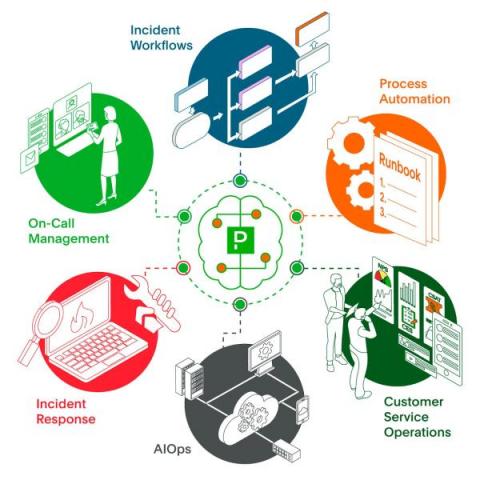
Doing More with Less: Building Greater Operational Efficiency with PagerDuty

How many of us can say with confidence that we know a tool inside and out? If you’re like most, you probably use just a small fraction of a product’s features. When it comes to feature-rich software like Microsoft Word or Excel, it’s a safe bet that most users are aware of less than half of the features, and use even less on a regular basis. And the longer we’ve been using a piece of software, the more likely we fall into this trap of feature underutilization.

What is an Incident Commander in ITSM?

Incident Commanders play a crucial role in the successful operation of IT service management (ITSM) teams. By applying best practices, they can ensure that incidents are handled quickly and efficiently, so that downtime for end users is kept to a minimum. ‍ This article provides an overview of the requirements for an effective Incident Commander in ITSM. It discusses the skills and competencies needed for effective incident management, and highlights some best practices for this role.

Kubernetes Lens: Improving Operational Awareness of Kubernetes Clusters

Kubernetes Lens is an integrated development environment (IDE) that allows users to connect and manage multiple Kubernetes clusters on Mac, Windows, and Linux platforms. It is an intuitive graphical interface that allows users to deploy and manage clusters directly from the console. It provides dashboards that display key metrics and insights into everything running on a cluster, including deployments, configurations, networking, storage, and access control.

Recapping this year's AWS re:Invent 2022

Amazon recently concluded their five-day long conference, AWS re:Invent 2022. This year’s conference was hybrid with the company streaming a significant portion of their in-person conference for free. For ten years now, the event has seen attendees across the cloud continuum come together to learn, share and get inspired. This year was no different as we saw some of the biggest names in cloud computing make their presence felt at the conference in Las Vegas.