Operations | Monitoring | ITSM | DevOps | Cloud

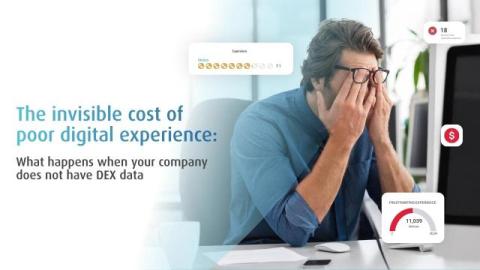
The invisible cost of poor digital experience: what happens when your company does not have DEX data

Your sales team missed an important meeting because a laptop froze in the middle of the presentation. The finance team recreated a spreadsheet three times because Excel closed by itself. None of these incidents became a ticket. None were recorded. But both cost money. Most companies measure IT health through technical indicators: servers up, systems online, tickets resolved.
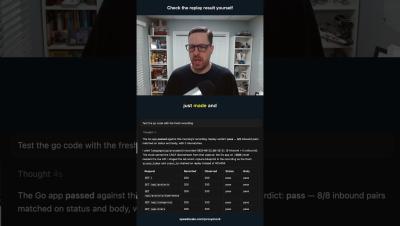
Governing AI Agents From the Inside: What We Learned Building AgentPatrol

When every employee is building AI agents, seeing what they did afterward isn't enough. AgentPatrol's in-flow governance runs inside the agent's execution flow—pausing for human approval, enforcing policies by value, masking PII, and stopping runaway agents before costs spiral.

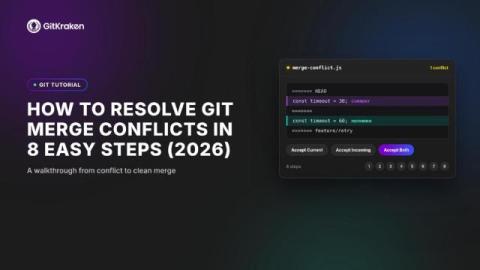
How to Resolve Git Merge Conflicts in 8 Easy Steps (2026)

A Git merge conflict happens when two branches edit the same line of code in different ways. Git can’t decide which version to keep, so it pauses the merge and asks you to step in. The longer a conflict sits unresolved, the harder it becomes to untangle. This guide walks you through eight clear steps to identify, fix, and verify merge conflicts during your branch merging workflow. GitKraken gives you a visual merge tool that turns this process from guesswork into a few confident clicks.

Solving AI Latency and Cost Problems with Valkey - Aiven Webinar

LLM providers charge you for caching, and they do it on their terms. You can run it yourself for a fraction of the cost. In this Aiven webinar, Jay Miller (Staff Developer Advocate) shows how to use semantic caching and semantic routing on Valkey to cut prompt costs + latency. You'll see a working demo, "Template Scout", that searches GitHub for deployable repos and picks the cheapest model that can answer each question.

How to Modernize Customer Experience Without Starting Over

Customer experience leaders face pressure from every direction. Customers want a faster, more personalized service. Employees need better context and simpler workflows. Business leaders expect measurable returns from artificial intelligence. IT teams must support all of it while protecting security, continuity, and the value of existing investments. That combination can make customer experience modernization feel like an all-or-nothing decision. In reality, many organizations do not need to start over.