The latest News and Information on Continuous Integration and Development, and related technologies.
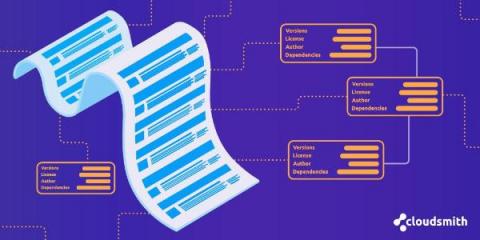
Most organizations that make software — from small startups to multi-billion-dollar behemoths — use third-party libraries and tools to develop their applications. Modern apps depend on many external components to build and deliver software to customers. These libraries and tools are collectively called the software supply chain. A software supply chain for a typical web app may include components like these.
Axios is a promise-based HTTP library that lets developers make requests to either their own or a third-party server to fetch data. It offers different ways of making requests such as GET, POST, PUT/PATCH, and DELETE. In this tutorial, I will explain how Axios interacts with applications, describe the structure of Axios requests and responses, how to make requests to an API, and how to write tests for your requests using CircleCI.
Starting with version 16.8, React provides a way to use component and global state without the need for class components. This does not mean that Hooks are a replacement for class components, though. There are some benefits of using class components, which I will describe later in this tutorial.
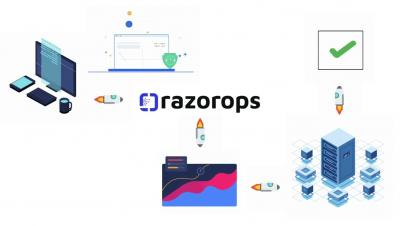
Continuous integration is a DevOps practice, where developers continuously integrate the code changes into a central repository. It most often refers to the build or the integration stage of the software release process. A continuous integration service helps to automatically build and run unit tests on the new code changes to find any errors instantly.
Continuous integration (CI) is a development practice where development teams can make small, frequent changes to code. With an automated build which verified the code each time developers verify their changes into the version control repository. Which helps the development teams to detect any defect in an early stage. Continuous integration is the first part of CI/CD, which enables the development team to release the code changes gradually to production quickly and regularly.
Alan and Lee talk about the journey of Cloudsmith, and how we got to where we're at today with the latest pricing announcement.
We dive into the details of why we're changing the pricing at Cloudsmith, what it means for you, and how we can help.
Without logs, or a good understanding of them, debugging an application or looking through an error stack trace can be challenging. Luckily, Flask logging can change the way you understand debugging and how you interact with logs produced by the application. The Flask logging module gives you a way to record errors over different severity levels. A default logging module is included in the Python standard library, and it provides both simple and advanced logging functions.