Remote IT support software is an essential tool for supporting customers remotely from anywhere in the world. There are a number of factors that contribute to being able to choose the best solution to provide on-demand support. A good place to start is identifying your main purpose for the remote support solution. For instance, you can pinpoint if you need to remotely control an unattended device or support your customers who require privacy and guidance without directly controlling their devices.
Prior to joining N-able, I worked for MSPs that supported clients all over the island of Ireland. That career in IT started back in the last millennium (yes, I’m that old), when reactive support often meant hopping into the car and driving to a customer to resolve their issues in person and on some rare occasions jumping on a flight if the situation was that urgent.
It’s common for an MSP to question the value of Microsoft Intune when it comes to managing their customers. There are a few common concerns that tend to come up, including the pricing structure and the lack of multi-tenancy. It’s also something new that the MSP and their staff may need to learn. With that said, is MS Intune bringing value to the MSP’s table? Is there some potential to be leveraged out of using Microsoft’s MDM as a managed service provider?
For the last couple of years, most of us have been working from home. Pandemic has changed the world of networking and events. Events went virtual because of lockdowns. Now they’re becoming in-person again. These events are a great way to drive new business. Exhibiting at shows can be expensive, but you can achieve a lot as an attendee. You’ve probably spent quite some time building your digital presence in the last couple of years.
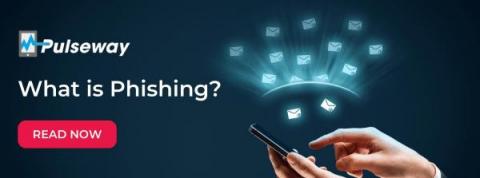
Phishing is the fraudulent practice of manipulating people via emails, texts, websites or phone calls into disclosing sensitive information, like credit card numbers or login credentials, that can then be used to access and attack systems. Cybercriminals do this by tricking users into taking specific actions that cause them to inadvertently download malware.