The latest News and Information on CyberSecurity for Applications, Services and Infrastructure, and related technologies.
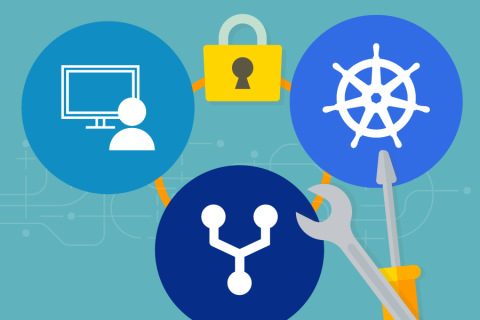
In part 1 of the GitOps blog series, we discussed the value of using GitOps for Calico policies, and how to roll out such a framework. In this second part of the series, we will expand the scope to include decentralized deployment and GitOps.
When it comes to having visibility and detecting threats on macOS, one of the best sources of information for file system events, process events, and network events is the kernel. MacOS kernel extensions provide the ability to receive data about these events in real time with great detail. This is good for providing quick visibility into detecting anomalies and identifying possible threats.
Golang developers care a lot about security and as Go modules become more widely used, they need more ways to assure these publicly shared files are safe. One unique feature included with Golang version 1.13 is the foresight that went into authentication and security for Go modules. When a developer creates a new module or a new version of an existing module, a go.sum file included there creates a list of SHA-256 hashes that are unique to that module version.
Earlier this month, security researchers at Promon, a Norwegian firm that specializes in in-app security, uncovered a unique vulnerability in Android devices that allows malicious apps to masquerade as legitimate apps and prompt for intrusive permissions that allow them to: Listen to the user through the microphone, Take photos using the camera, and a lot more.
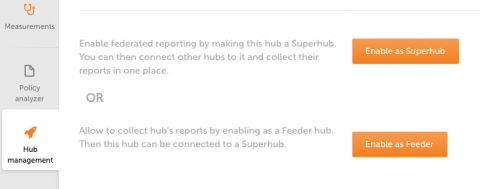
Today marks a new milestone for CFEngine, with the release of the new CFEngine 3.15.0 LTS. This is the newest Long Term Supported CFEngine series, introducing a lot of great stuff. The biggest new feature in CFEngine 3.15 is Federated Reporting, which we will cover later in this blog post, but there are many other new improvements as well. If you are interested to learn more, schedule training, or hear about pricing options, feel free to reach out to us!
“How do I enable GitOps for my network security policies?” This is a common question we hear from security teams. Getting started with Kubernetes is relatively simple, but moving production workloads to Kubernetes requires alignment from all stakeholders – developers, platform engineering, network engineering, and security. Most security teams already have a high-level security blueprint for their data centers.
As attackers continue to evolve and advance their techniques, tactics, and procedures (TTPs), it is crucial for enterprise organizations to deploy necessary countermeasures and defenses to secure their networks. Elastic Security provides an endpoint protection platform (EPP) with some of the most advanced and effective endpoint protections and preventions on the market today.