Diagnosing and finding the root cause of issues is a crucial skill in software development. Software engineers spend the majority of their time reading and understanding existing code. Because of this, knowing how to debug your applications with proficiency will save you time and make you more effective.
Using NPS as an engineering metric gets product owners into hot water. A good NPS score is seen in software communities as the benchmark for a product-first company and regularly features on executive and IPO reports. It's so common that over two-thirds of the Fortune 1000 claim to use it. But imagine if every software tool you used sent you regular NPS surveys? Response rates will suffer and the metric will slowly become less and less valuable over time.
With 900 billion devices running on Windows 10, the future is bright for the Universal Windows Platform (UWP). UWP’s strength lies in its ability to adapt itself completely to the native user interface - whether that’s a computer, tablet, Xbox or IoT device. It’s a win-win; users get a consistent experience as they consume across devices, while developers get easier deployments.
Raygun’s CTO Jeremy Norman chats with Alex Williams of The New Stack to give a technical demo of the multithreaded trace feature in Raygun APM. Jeremy offers practical examples of how traces work, how you can monitor microservices more accurately, and why Raygun is different from other APM tools.
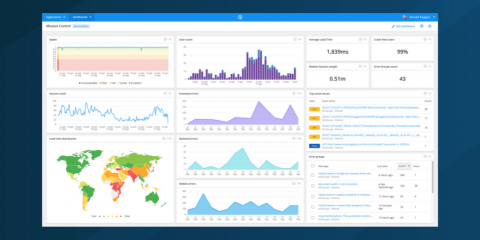
Raygun gathers a great deal of data about how users are interacting with your applications - from errors and crashes to users affected by performance problems. We help thousands of teams gain visibility into the health of their apps - and one of the best ways developers do that is with Raygun’s dashboards. When we first launched dashboards in 2017, we knew you needed them to be easy to use, customizable, and actionable.
Some development problems are too complex, some timelines too tight, and some projects too greenfield for established teams to tackle. When you need to create a new team of developers for an ambitious project, the venerable cross-functional or tiger team provides the perfect model for bringing a ragtag crew together to achieve a shared goal.
Have you ever been frustrated that your warnings and opinions on technical debt are going unheard? Or you’ve felt pushed to deploy code and software updates that are either not ready, or will cause your team more headaches than other stakeholders appreciate? You’re not alone. Whether you are building an early-stage startup or working at a vast 20-year-old monolith, technical debt mounts as you make changes and deploy new functionality.