The Incident Review: 4 Times When Typos Brought Down Critical Systems
Sometimes, as these 4 incidents highlight, major failure results from a mere typo or configuration oversight.


The latest News and Information on Incident Management, On-Call, Incident Response and related technologies.
Sometimes, as these 4 incidents highlight, major failure results from a mere typo or configuration oversight.
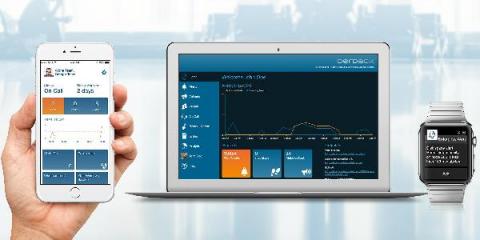
In our feature session for the current Enterprise Alert release, we were asked if it was possible to make the on-call page available to every employee regardless of whether they have a user account in Enterprise Alert or not. This option has existed in Enterprise Alert for a long time, but admittedly it is not very well documented. So I would like to take this opportunity to show you what the on-call overview can offer you and how to share the on-call page.
With the release of Enterprise Alert 9, not only have our capabilities for tighter integration with almost any source system imaginable been massively expanded, but our front end has also received some much requested updates. Among them are our multi-team schedules. These allow – especially for international companies – a simple and clear planning of readiness of several teams across different time zones.
Our Azure Monitor connector provides seamless 2-way integration of Enterprise Alert 9 with Azure Monitor. Once added to your Enterprise Alert instance, the connector will read your Azure Monitor alerts fully automatically and trigger alert notifications, e.g. to your team members on duty. It also synchronizes the alert status from Enterprise Alert 9 to Azure Monitor so that if alerts are acknowledged or closed, this status is also updated on the according alert in Azure Monitor.
What are the differences between incident management and incident response? The answer varies widely depending on whom you ask.