Operations | Monitoring | ITSM | DevOps | Cloud

Monitoring Your Smart Home with InfluxDB and IFTTT

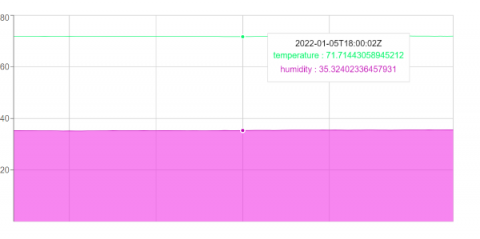
Do you have a bunch of smart home devices, such as IoT devices like smart switches, cameras, doorbells, alarm systems or appliances? Have you ever wanted to monitor and send events from those devices to InfluxDB? And wouldn’t it be amazing if you could do that with zero coding? With IFTTT Webhooks, you can! Let’s dive in.

Lower Your Google Cloud Costs with These 5 Google Dataproc Best Practices

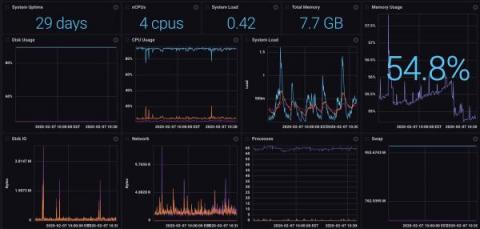
Thinking about using Google Dataproc as your cloud vendor? We can see why. Google Dataproc is a powerful tool for analytics and data processing, but to get the most out of it you have to ensure you use it properly. We’re going to explore five best practices you can use to lower your Google cloud costs while maximizing efficiency: Following these tips will ensure the best performance and help keep your cloud costs in line.

Meet the Data Manager for Splunk Cloud

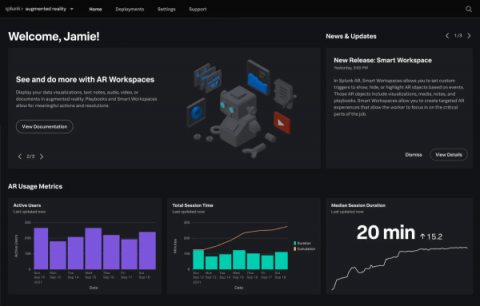
Sometimes "getting data in” (or GDI) can be just as complicated as managing the data itself. From the early days of Splunk, getting data in has been a critical aspect of delivering the right data for visibility, investigation, and action. As data locality proliferates, formats evolve, and volumes grow, customers need easy access to their data, in the right place, in the right shape, and at the right time.

Real Time eCommerce Analytics: The Only Solution for the Holiday Season

Digital trade and eCommerce companies are generating transactions in more significant quantities than ever before. In 2020, eCommerce sales made up 19% of all worldwide retail transactions, representing $26.7 trillion in revenue. The cornerstone of any eCommerce company is providing a seamless, reliable experience where customers can log into a clean interface, browse products, and make purchases quickly and on-demand. Increased digitization after the pandemic has only heightened the stakes.

How to Monitor Your Internet Speed with Telegraf & InfluxDB Cloud

Complaining about your crappy internet speed is a tale as old as time. Given the rapid shift for so many of us to work from home, our internet speed now affects us on a daily basis. Where in my house should I avoid taking Zoom meetings because of low download speed? Does my internet speed actually get worse in the evenings, or am I just paranoid? How far away from the microwave do I really need to be to ensure that my wifi isn’t impacted?