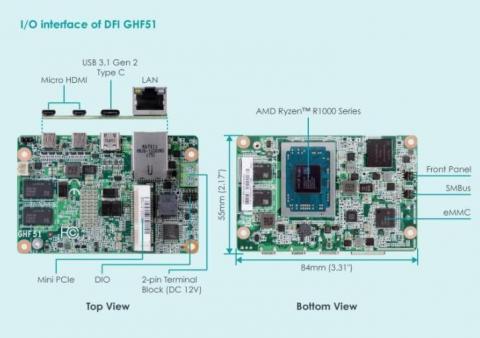
Canonical and DFI announce that the GHF51 and EC90A-GH, have been certified, based on the latest AMD-based platform. Both offer improved performance, a smaller footprint, and full access to open-source software with Ubuntu and Ubuntu Core. These are part of the first wave of products that passed the Ubuntu IoT hardware certification.
A typical IoT application with any physical system or process in the field can have hundreds of on-site sensors generating copious amounts of data every second and possibly communicating in several different protocols.
It’s official! We’re excited to announce that Ivanti has acquired an industrial internet of things (IIOT) platform from the WIIO Group. WIIO is one of Ivanti Wavelink’s channel partners and is based in Paris, France.
The 2010 Stuxnet malicious software attack on a uranium enrichment plant in Iran had all the twists and turns of a spy thriller. The plant was air gapped (not connected to the internet) so it couldn’t be targeted directly by an outsider. Instead, the attackers infected five of the plant’s partner organizations, hoping that an engineer from one of them would unknowingly introduce the malware to the network via a thumb drive.
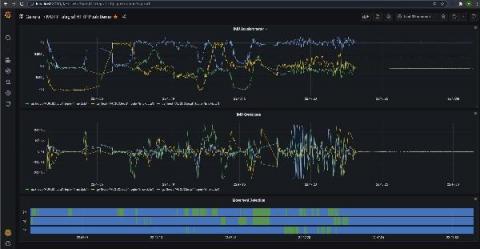
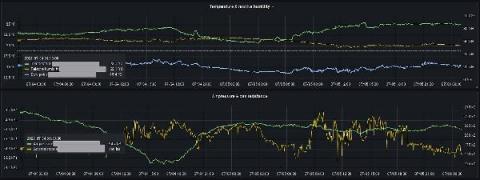
We recently had a hackathon at Grafana Labs. Anyone who wanted could get several work days without normal responsibilities to do whatever they found meaningful in the wider Grafana community and/or Grafana Labs commercial offerings. This allowed me to invest some time into Kraken, a project designed for reading out different sensors, and to update it for modern hardware and libraries.
The connected reality of gadgets presented by the Internet of Things (IoT) can no longer be considered as just a buzz as it has already transformed our living to a great extent. The connected things made our homes, workplaces, and transportation smarter. No wonder IoT apps are now one of the most popular app categories. As the latest statistics reveal, the global market share of IoT apps is expected to touch a whopping 520 billion USD by the end of 2021.