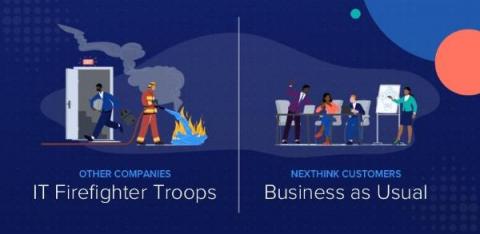
IT teams in modern workplaces are no longer spending the bulk of their time troubleshooting and break/fixing issues. As in any service industry in the consumer world, IT service workers are now expected to deliver a great experience to their consumers – the employees. Managing the workplace has become much more like managing a theme park, where every aspect of its real estate should exhibit interest, joy, and fun; everything that makes up a great experience.
Businesses are always on the lookout for cost-efficiencies across their digital workplaces – but in times of economic uncertainty, departments that consume a lot of a company’s budget and resources are placed under the microscope to an even greater extent. IT departments in particular have been subject to scrutiny when it comes to cost-efficiency.
The complexity of today’s workplace technology means that all of our environments are incredibly unique. Two organizations may use the same platforms and applications, but the tactics we use to implement these tools are all unique to our own goals and business needs. But all of us who work in IT and engineering can agree: our companies’ success hinges on our ability to keep our environments running smoothly. I’m a senior engineer at the pharmaceutical company AbbVie.
Today’s employees enter the workplace with a new expectation: they expect to use the technology they want to use. But can IT really manage a workplace where you can bring your own stack? Ten years ago, the concept of employee experience conjured images of well-decorated, comfortable offices, with ping pong tables and beer on tap. It’s a construct of employee engagement that now feels almost painfully out of touch.
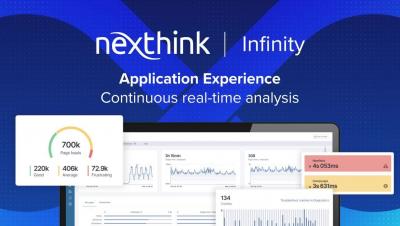
It can be tricky for large organizations to track employee software licenses given the multitude of applications and activities that continuously take place across the business. On a given day, a typical organization with 10,000 employees using only a dozen applications still results in more than 100 thousand application interactions. Each of these employee experiences has the potential to create IT issues that IT needs to stay ahead of without going over budget.
What happens when employees leave jobs they’ve had for years in order to pursue new opportunities – and then realize they’ve made a mistake? That’s the question many workers are faced with in 2022, as the Great Resignation has paved the way for a new trend in the labor market: the Great Regret. In 2021, when the job market restabilized more than a year after the pandemic began, we saw a massive uptick in workers leaving their employers for new jobs.
We’ve got exciting news: The Forrester Wave™: End-User Experience Management, Q3 2022 report has been released – and Nexthink has been named a leader in End-User Experience Management! In case you’re unfamiliar, this report provides a comprehensive evaluation of the nine most significant end-user experience management (EUEM) providers by one of the world’s leading research and advisory firms.
We all know the story by now: we’ve entered a new era of work. And no, we’re not just referring to the pandemic, which forced businesses to accelerate digital transformation projects at an unprecedented speed.
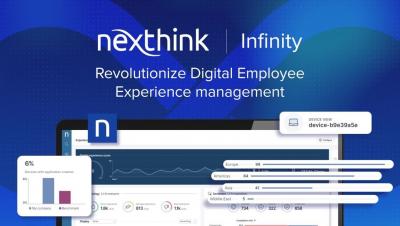
Managing the digital experiences of an entire workforce isn’t easy. But that’s what today’s IT professionals are tasked with: as DEX has become an essential priority in our increasingly digital workplace, IT jobs now require service teams to deploy the strategies that ensure employees remain productive, engaged, and happy. But what about IT workers themselves? What about their employees experiences? After all, IT workers are employees too!