Operations | Monitoring | ITSM | DevOps | Cloud

The latest News and Information on CyberSecurity for Applications, Services and Infrastructure, and related technologies.

How MSPs and MSSPs can reduce risk and liability for their clients

For 83% of companies, a cyber incident is just a matter of time (IBM). And when it does happen, it will cost the organization millions, coming in at a global average of $4.35 million per breach. Add to that stringent data protection laws and the growing frequency and reach of ransomware and other sophisticated attacks.

The 5 Best Vanta Alternatives for Security Compliance

Over the last two to three years, we’ve seen increasing demands on all kinds of software companies to comply with security and compliance standards. More and more organizations are looking to benefit by moving their operations to the cloud, but this increases the potential for cybersecurity attacks and breaches. A new type of compliance vendor has emerged to help companies that must comply with the security standards designed to ward off cybersecurity threats.

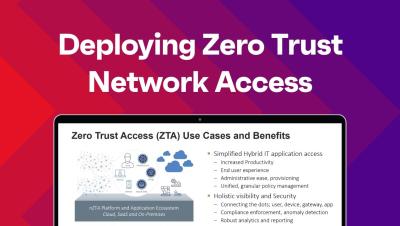
Security Webinar: A Practical Guide to Deploying Zero Trust Network Access

Ivanti's technical marketing team shares their expertise in mobile security and cloud solutions. They present the Ivanti Zero Trust Solution, emphasizing its granular access, user-friendly experience, and simple deployment. The solution eradicates the inside-outside distinction, eliminates fragmented policy islands, and minimizes the attack surface. It features granular policy management, automatic access updates, and comprehensive analytics.

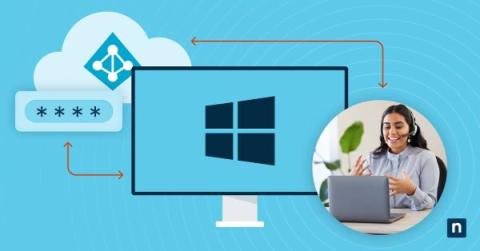
How to Deploy Microsoft LAPS

Securing privileged accounts is of utmost concern to cybersecurity professionals, and Active Directory, Microsoft’s identity and access management service, forms the backbone of the majority of organizations. Active Directory (AD) centralizes user accounts, computers, and resources, ensuring access control, and local administrator accounts wield substantial power within Windows systems.

What is SSH?

SSH stands for “Secure Shell.” It’s a network protocol used to securely access and manage devices and servers over an unsecured network. It provides an accurate form of authentication as well as encrypted communication between two systems, making it especially useful in environments where security is a concern. SSH is commonly used to access remote servers through a command line interface, but can also be used to securely transfer files (through SFTP or SCP).

The Importance of Detecting Fraud

The profitability of your business is crucial. But we live in turbulent times where the long-term success of enterprises is closely linked to employees' ability to keep confidential customer data secure. Have you reached a high level, and you can compare yourself to players in the national or international markets? In this case, you must invest in professional fraud prevention tools to secure your financial and confidential customer data. Detecting fraud is required for businesses operating in high-risk industries where personal data theft is commonplace.

We can't wait for SBOMs to be demanded by regulation

Old ads can be startling—cigarette ads used to boast their health-giving properties, sugar-laden candy was once advertised as a dietary aid, and soft drinks were advertised as a milk alternative for babies. None of this would fly today, of course, thanks to regulations. Foods must be advertised more responsibly, and they must list their ingredients clearly on the packaging, especially allergens.

What you can't do with Kubernetes network policies (unless you use Calico): Policies to all namespaces or pods

Continuing from my previous blog on the series, What you can’t do with Kubernetes network policies (unless you use Calico), this post will be focusing on use case number five — Default policies which are applied to all namespaces or pods.

How to securely query AWS S3 from ClickHouse

ClickHouse is a powerful analytical database, loading data from an AWS S3 bucket allows you to quickly start analyzing the data without having to download and upload them manually in the database. Writing data to S3 allows you to offload some cold data, while keeping all the hot data in ClickHouse and, with the usage of federated queries, being able to query both hot and cold data at the same time.