Operations | Monitoring | ITSM | DevOps | Cloud

The latest News and Information on Log Management, Log Analytics and related technologies.

Dashboard Studio: How to Configure Show/Hide and Token Eval in Dashboard Studio

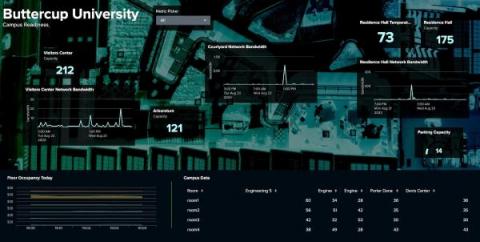
You may be familiar with manipulating tokens via `eval` or `condition`, or showing and hiding panels via `depends` in Classic (SimpleXML) dashboards, and wondering how to do that in Dashboard Studio. In this blog post, we'll break down how to accomplish these use cases in Dashboard Studio, using the same examples that were shown at.conf23.

What's New with Fluentd & Fluent Bit

At the recent KubeCon EU, we learned the significant news of the FluentBit v2.0 major release with numerous new features. What’s new and what’s to come for this key log aggregation tool? On the latest OpenObservability Talks, I hosted Eduardo Silva, one of the maintainers of Fluentd, a creator of Fluent Bit and co-founder of Calyptia.

Log Data 101: What It Is & Why It Matters

If you mention 'log data' at a crowded business event, you'll quickly be able to tell who's in IT and who isn't. For the average person, log data is about as thrilling as a dental appointment or reconciling a years-old bank account. At the mere mention of log data, their eyes glaze over as they search for an escape from the conversation. Conversely, IT professionals' eyes light up and they become animated when the topic of log data arises.
Sponsored Post

Serverless Elasticsearch: Is ELK or OpenSearch Serverless Architecture Effective?

Here's the question of the hour. Can you use serverless Elasticsearch or OpenSearch effectively at scale, while keeping your budget in check? The biggest historical pain points around Elasticsearch and OpenSearch are their management complexity and costs. Despite announcements from both Elasticsearch and OpenSearch around serverless capabilities, these challenges remain. Both of these tools are not truly serverless, let alone stateless, hiding their underlying complexity and passing along higher management costs to the customer.

Distributed Systems Explained

Distributed systems might be complicated…luckily, the concept is easy to understand! A distributed system is simply any environment where multiple computers or devices are working on a variety of tasks and components, all spread across a network. Components within distributed systems split up the work, coordinating efforts to complete a given job more efficiently than if only a single device ran it.