Operations | Monitoring | ITSM | DevOps | Cloud

Graph Analytics Using Splunk and the Machine Learning Toolkit

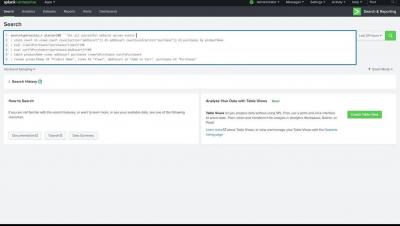
Almost all data in Splunk can be turned into graphs, and that's possibly something you may not have considered before. In your network traffic data, a source IP connects to a destination IP with attributes like bytes in/out, packets, ports, and other properties. Users log into an interconnected stack of systems, services, devices and applications which are connected with each other. Transactions run from A to B to C and may describe a process that helps you analye user journeys and business processes in general.

Containers, Microservices, and Kubernetes

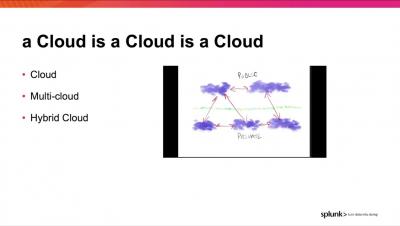
Faster application development requires more agile application infrastructure. Containers started the transformation of modern application architectures which now are dominated by microservices running on Kubernetes. In this episode of Dissecting DevOps find out how cloud infrastructure has changed, how the modern architectures make application development easier, and the unique challenges introduced by microservices and Kubernetes.

Logs and Metrics and Traces, Oh My!

There are a lot of aspects to supporting modern applications, and it all starts with the data applications produce that give visibility and insights into what is going on. In the first episode of Dissecting DevOps, Dave and Chris review the differences between logs, metrics, and traces. Find out how these sources of data help you better understand and support your application.

SOCtails Episode 2 - Automate your Security Operations

Kevin has the “alert fatigue”. He’s overwhelmed by too many security alerts, and he doesn’t have the resources or the time to investigate and respond to all of them. Jeff explains how automation from Splunk Phantom can help. And now, with Phantom on Splunk Mobile, you can automate security operations directly from your mobile phone.