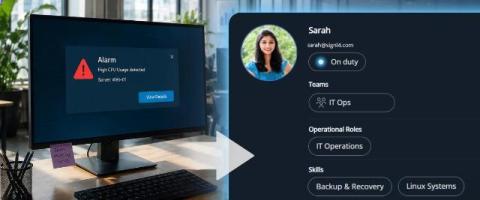
There’s a big difference between alerts generated by continuous IT monitoring and production systems and alerts that actually help people solve problems. We call those actionable alerts.
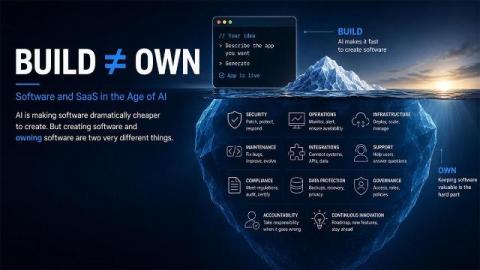
Many teams invest heavily in code quality, architecture and testing – yet still struggle with outages, slow response times, and unclear ownership. The reason is simple: software quality is about more than technology alone.
Many teams start with a simple approach to on-call coverage. One person carries the phone this week. Someone else covers next week. Vacation requests are handled through emails, chat messages, or spreadsheets. When someone is unavailable, everyone is expected to remember who is covering. This works for a small team until the first missed alert. Duty scheduling is the foundation of reliable alerting.
A malfunction in the baggage handling system at Berlin Brandenburg Airport disrupts the conveyor network that transports luggage across the airport. With more than 70,000 passengers traveling through BER every day and flight schedules timed down to the minute, even a small disruption can quickly lead to delays, missed connections, cancellations, and high costs. Fortunately, the Incident Management team receives the alert in real time and responds immediately.
Many teams invest time building an on-call rotation, but inbound calls often ignore that structure completely. A support number forwards to a single phone. One engineer ends up taking every call. Sometimes the call goes unanswered and the voicemail lands in a shared mailbox that nobody checks until the next morning. Even worse, the team might have several engineers on duty, but the phone system has no awareness of who is actually responsible at that moment.
When incidents are not addressed – or not addressed quickly enough – businesses incur significant costs. Mean Time to Resolution (MTTR) increases. In the worst cases, the financial impact extends beyond your organization to customers and partners. Automated alerting reduces response times and notifies the right people when action is needed.
When a critical system goes down, the clock starts ticking. Every minute matters. Whether it’s a cloud platform, manufacturing operation, logistics center, airport infrastructure, or business-critical software, downtime creates more than just technical issues — it often leads to significant financial losses. That’s where MTTR comes in. MTTR measures how long it takes an organization, on average, to restore normal operations after an incident.
Most IT teams already know when something breaks. The real problem is making sure the right person responds fast enough. A server goes down. A customer-facing application crashes. A security alert triggers after hours. The monitoring system sends the notification. But nobody responds. The alert gets buried in Slack. The on-call engineer misses the push notification. The wrong person is scheduled. Everyone assumes somebody else is handling it. That is how small incidents become expensive outages.
Get ready for the new SIGNL4 update. The completely redesigned API makes it easier than ever to connect your systems and tools and consolidate alerts from every source – so nothing gets missed. With the new Automation menu, you can now manage automated alert routing and filtering from one central place, ensuring the right alerts reach the right person at the right time.
Author: Matthes Derdack Businesses rely on countless systems, applications, and services to operate without disruptions. Whether it is cloud infrastructure, manufacturing equipment, IoT devices, healthcare platforms, or enterprise applications, every second of downtime can impact revenue, customer trust, and operational efficiency.