As Werner Vogels says: “Everything fails all the time.” Data is the new oil. We rely on it not only to make decisions but to operate as a business in general. Data loss can lead to significant financial consequences and damaged reputation. In this article, you can find ten actionable methods to protect your most valuable resources.
Software deployment tools allow developers to ensure that software is properly installed with it’s required packages and implementation steps conducted in the correct order. Using these tools is a vital requirement for any business that creates its own software in-house. There is a variety of software that can assist developers in launching their latest code with new ones (such as GitHub Actions) arriving to the forefront of many growing consideration lists.
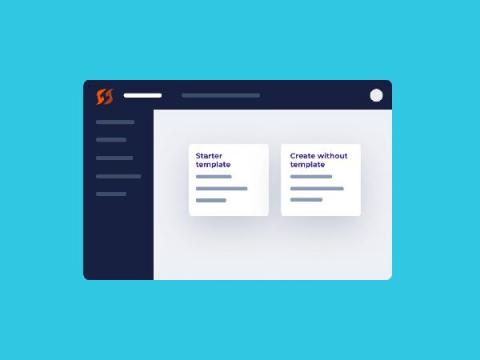
Starting out with runbooks can be daunting, we've built a way to implement our best practices into a runbook that can be implemented in a single click. On top of this, there's now even more ways to attach runbooks to your incidents and a much easier way to test out the runbook that you're currently working on.
Security in software is now everyone’s problem. We can no longer simply rely on InfoSec teams or your equivalent Gary “he-likes-security” to handle security-related processes and issues. All software, tools, infrastructure, and services need to be trusted. It is important to us at Cloudsmith to provide you with the ability to build that trust within your teams or with your customers. Cloudsmith allows you to use your own domain name for your repositories.
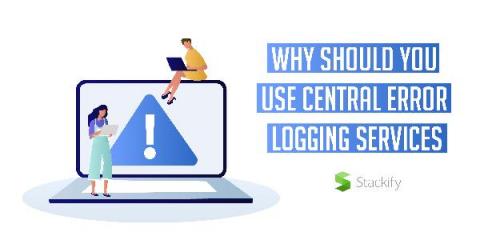
Logs are vital for every application that runs in a server environment. Logs provide essential information which points to whether the current system is operating properly. Looking through logs, you will gather data on system issues, errors, and trends. However, it is not feasible to manually look up errors on various servers across thousands of log files. The solution? Central errors logging services.
Virtualisation plays a huge role in almost all of today’s fastest-growing software-based industries. It is the foundation for most cloud computing, the go-to methodology for cross-platform development, and has made its way all the way to ‘the edge’; the eponymous IoT. This article is the first in a series where we explain what virtualisation is and how it works. Here, we start with the broad strokes.
I was recently on the Changelog Podcast talking about Elastic’s recent change away from open source licensing. I’m at 1:02:45 to 1:24:03, but the whole thing is pretty interesting if you have time to listen. This is where #InfluxDB is headed. No more open core, we're going to a combination of cloud offering, or if on-premise, a complementary offering to the open source. It'll take us time to get there, but that's the vision. Commercial complements the open source rather than replace.
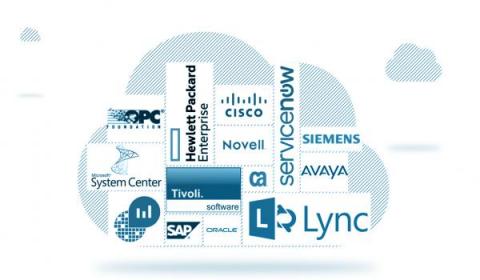
Integrations of third-party systems with Enterprise Alert, what is possible? In my work with new and existing customers, I keep coming across the assumption that Enterprise Alert is not able to be integrated with certain third-party systems in order to receive and process events and fault messages from this system. Basically, first of all, we have to say: We can integrate everything that communicates digitally in any way.