

Operations | Monitoring | ITSM | DevOps | Cloud

How SGP.32 unlocks next-generation IoT deployments

Every time a smart utility meter transmits consumption data, a connected vehicle updates its telemetry, or a fleet of logistics trackers crosses international borders, seamless and uninterrupted connectivity is vital. Yet for years, managing Internet of Things (IoT) devices at scale has been constrained by physical SIM logistics, operator lock-in and remote SIM provisioning standards that were simply never built for autonomous, resource-constrained hardware.
Debugging an Autonomous Underwater Vehicle with Tracealyzer

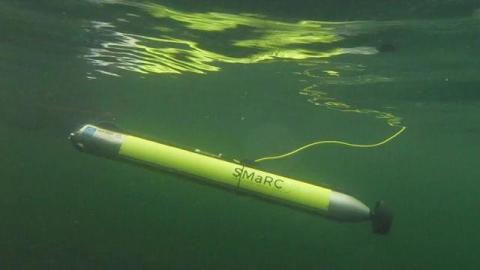
By Max Johansson, Vehicular Systems, Linköping University An AUV shown for illustration. Photo by Swedish Maritime Robotics Centre (SMaRC). At KTH, the Swedish Maritime Robotics Centre (SMaRC) is continuously developing an autonomous underwater vehicle (AUV) as a research platform for studying underwater environments. The AUV has traditionally been powered by batteries, but adding a fuel cell can extend its operating range.

How Connected Equipment Data Helps Teams Catch Problems Earlier

An undetected equipment fault can escalate into costly downtime or an emergency repair. Connected equipment data can help IT operations teams catch problems earlier, while they're still minor. Your results depend on how telemetry moves from device to platform, how baselines define normal behavior and how alerts reach the right maintenance personnel.