Operations | Monitoring | ITSM | DevOps | Cloud

AI Norms & Values, Part 3 of 3: Things We Hold True

Welcome to the third and final part of our series on AI norms and values. Parts of this doc were extracted and published separately on substack; as a whole, they describe the principles we hold pertaining to technology and AI, and the ethical commitments we make to each other and our customers. We set out to write about AI, and ended up writing about ourselves. These documents are not meant to be aspirational ones; they are derived from how we do our work every day in honeycomb.

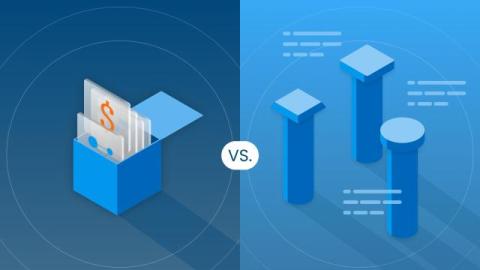
Wide Events vs. Three Pillars: AI Observability Costs

As agentic AI workflows gain traction within organizations, those organizations are asking how to account for their behavior while keeping costs manageable. Some are sticking with the old three pillars of observability approach: take a measurement to create a metric, record output to a log, and track serial progress with a trace. Each of these is useful, but treating them as distinct formats from the start means paying for them distinctly too. Separate storage doesn't come cheap.

Relational Query Superpowers

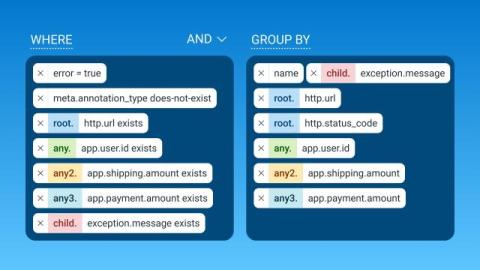
I'm investigating repeated errors in my e-commerce application, and I need to get enough context in a single Honeycomb query to piece the entire picture together. Each query returns events based on the event's WHERE clauses, but I want to know several things from outside of the event that recorded an error. Things like: Those attributes are all over the trace. That's going to make a single query tough, right? Wrong!

Bringing the Most Advanced Sampling to the OpenTelemetry Collector

Sampling is a core skill that everyone who runs an observability pipeline at scale will learn. There are lots of tradeoffs within the various decisions you'll make from reducing bandwidth, CPU, and memory, to reducing costs and making the observability backend's performance better for users. Historically, there have only been three mechanisms, each with their own tradeoffs: However, there is a secret fourth option: adaptive tail sampling—which changes those tradeoffs.