When we moved our backup, everything changed
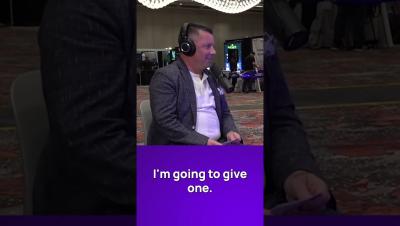
When PCA Technology Solutions moved to N-able's Cove Data Protection, everything changed because the team trusted the product, explains CEO Ted Clouser.


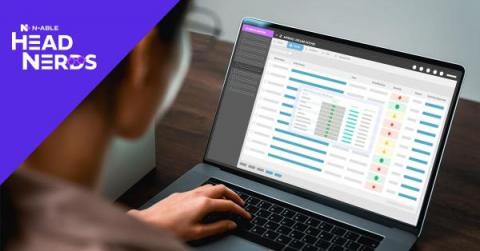
Over the years I have spoken with many prospects and partners about changing RMM solutions. When I’d ask the question “Why did you change?”, often the answer would be that their previous solution was too noisy when it came to generating email notifications. The sheer volume of notifications that some RMM solutions generate can make it very difficult for users to see the wood from the trees, resulting in important notifications being missed.
This month, I have been delivering a three-part Boot camp series focused on the MSP Sales process. MSPs that I have been speaking with lately, have been telling me that they are starting to gain success with their marketing, and are increasing the volume of leads they are generating. However, they are also telling me they’re struggling with how to move those leads through the sales process and converting them into new, signed, Managed Services contracts at the end.
It’s the holiday season again, which means family gatherings, good food, and plenty of toasts. It also means a lot of online activity—buying gifts, getting promotional offers, booking deliveries—all of which mean a continuous flow of emails sent to your personal and business accounts. With so much going on, even experienced users can accidentally fall prey to one of the many “hooks” that cybercriminals are putting out there.
I’m sure for most of you reading this, you are well aware of just how powerful PowerShell can be. Speaking with partners and prospects over the years who were either using or evaluating our software, I’d often get asked: “Can your products do X?”.