Operations | Monitoring | ITSM | DevOps | Cloud

The latest News and Information on Observabilty for complex systems and related technologies.

SaaS Observability Platforms: A Buyer's Guide

Observability is the ability to gather data from metrics, logs, traces, and other sources, and use that data to form a complete picture of a system’s behavior, performance, and health. While monitoring alone was once the go-to approach for managing IT infrastructure, observability goes further, allowing IT teams to detect and understand unexpected or unknown events.

How Do We Cultivate the End User Community Within Cloud-Native Projects?

The open source community talks a lot about the problem of aligning incentives. If you’re not familiar with the discourse, most of this conversation so far has centered around the most classic model of open source: the solo unpaid developer who maintains a tiny but essential library that’s holding up half the internet. For example, Denis Pushkarev, the solo maintainer of popular JavaScript library core-js, announced that he can’t continue if not better compensated.

Platform Engineering Is the Future of Ops

Ops and DevOps roles as we know them are on their way to becoming extinct—the future is platform engineering. While DevOps engineers typically focus on the application layer, platform engineers focus on the underlying infrastructure layer. Without a solid and reliable platform, it can be challenging to deploy and maintain software applications effectively. This can result in downtime, poor performance, and security vulnerabilities. Platform engineering enables software applications and services to run effectively and efficiently and has a direct impact on the user experience and the success of the entire organization.

How We Define SRE Work, as a Team

Last year, I wrote How We Define SRE Work. This article described how I came up with the charter for the SRE team, which we bootstrapped right around then. It’s been a while. The SRE team is now four engineers and a manager. We are involved in all sorts of things across the organization, across all sorts of spheres. We are embedded in teams and we handle training, vendor management, capacity planning, cluster updates, tooling, and so on.

MIAX and Cribl Stream: Enriching Data for Improved Observability and Faster Time to Value

Using Cribl Stream for observability is a given, but what about using Cribl Stream to get MORE from your data? Observability is all about being able to collect, route, store, and search your data. Implementing enrichment with observability provides more context and elevates your ho-hum data to robust information. This is key to faster, more confident decision-making!

Gain real-time observability into your software supply chain with the New Relic Log Analytics Integration

JFrog’s new log analytics integration with New Relic brings together powerful observability capabilities to monitor, analyze, and visualize logs and metrics from self-hosted JFrog environments. The integration is free for all tiers of self-hosted JFrog customers and utilizes the powerful, open source log management tool, Fluentd, to collect, process, and surface data in New Relic dashboards.

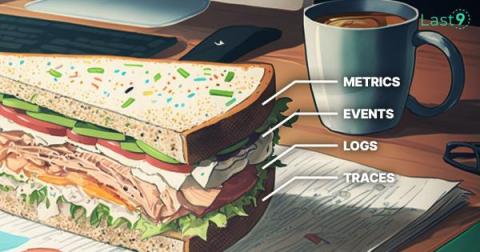
Metrics vs. Logs vs. Traces (vs. Profiles)

In software observability, we often talk about three signal types - metrics, logs, and distributed traces. More recently I've been hearing about profiles as another signal type. In this article I will explain the different observability signals and when to use them in a clear and concise way.