Protect Every Click with N-able DNS Filtering
What is N-able DNS Filtering? It's scalable DNS threat protection that uses AI to block never-before-seen threats and ensure enhanced visibility and control on and off networks.


While MSPs have been making significant investments in security and offering services, it is a challenge to keep up with the frequency and evolving sophistication of today’s cybersecurity threats. Defense in Depth (DiD) is the foundation on which most MSPs have built a layered security approach for dealing with them.
We’ve all been there. After countless hours of development, you’re ready to take that app that works awesome on “localhost” live to production, but production services will only interface over https. Or maybe, your DNS is managed on Cycle, but some third-party app you want under the same domain requires a TLS certificate.
We can now notify you of changing DNS records and let you know when we've detected a problem with your domain nameservers. Woohoo! 🥳
NS1 is an intelligent DNS and traffic management platform that helps optimize the performance of your network infrastructure and speed application delivery to your end users. Since even a small increase in service latency can lead to churn and revenue loss, it’s critical to remove any inefficiencies embedded in basic network functions. NS1 helps ensure high performance for name resolution and routing through support for the edns0-client-subnet (ECS) DNS extension and for Filter Chain technology.
The Domain Name System (DNS) makes it possible for users to access websites using domain names, like wikipedia.org, in place of nine-digit IP addresses. Due to its ubiquitous nature, DNS can be used to block access to selected websites, which is commonly known as DNS filtering. Many companies see security and productivity benefits from implementing this strategy where appropriate. Read on as we explore some of the key details around how DNS filtering works and how it can be beneficial.
If you were one of billions of frustrated users of Facebook who weren’t able to access their accounts Monday, rest assured in knowing that downtime is a thing of the distant past and the mega-social media platform is back online. End users can now relax knowing that the brush fire has been extinguished. Remarkably, the nearly seven-hour outage could not be attributed to the deluge of recent high-profile attacks on government, enterprise, and educational servers throughout the world.
In the workplace, certain web pages can be a distraction for employee productivity—or worse, a disruption. If you’re a managed services provider (MSP), your customers may be interested in finding a way to control the types of websites their employees can access during the workday. One viable option for them to utilize is a DNS block to restrict access to certain web addresses on a given server. This article will help you understand what DNS block is, who uses it, and how it works.
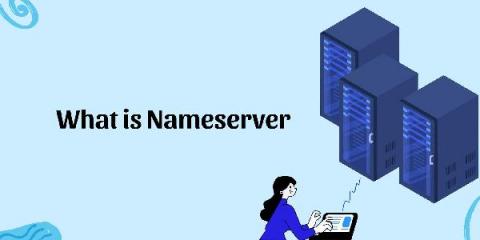
You may have come across the word "nameserver" if you maintain your own website. You may, however, have no true idea of what one is or how it works. Knowing a little about the “nameserver” concept can help you manage your website. Simply said, nameservers help browsers in establishing links between URLs and websites. They're essential since we'd have to memorize IP addresses to visit websites if we didn't have them.