With governments doubling down on logging compliance, many public sector organizations have been focusing on optimizing their log management, especially to ensure they retain logs for required periods of time. Logs — though seemingly straightforward — are the backbone of many mission-based use cases and therefore have the potential to accelerate mission success when centrally organized and leveraged strategically. In public sector, logs are instrumental in.
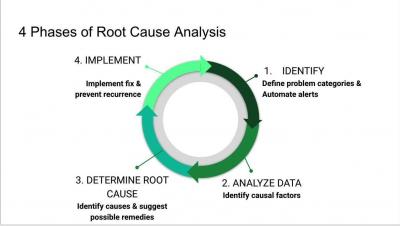
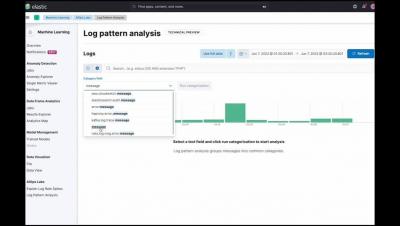
In the previous blog in our root cause analysis with logs series, we explored how to analyze logs in Elastic Observability with Elastic’s anomaly detection and log categorization capabilities. Elastic’s platform enables you to get started on machine learning (ML) quickly. You don’t need to have a data science team or design a system architecture. Additionally, there’s no need to move data to a third-party framework for model training.
Engines in Elastic App Search enable you to index documents and provide out-of-the-box, tunable search capabilities. By default, engines support a predefined list of languages. If your language is not on that list, this blog explains how you can add support for additional languages. We’ll do this by creating an App Search engine that has analyzers set up for that language.