Operations | Monitoring | ITSM | DevOps | Cloud

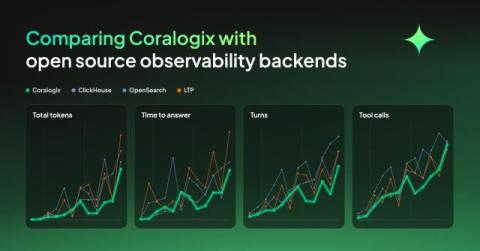
Comparing Coralogix with open source observability backends

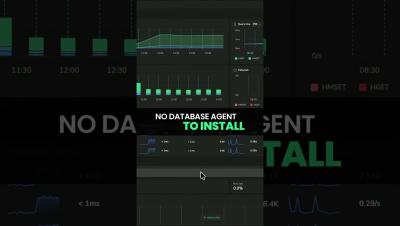
We put the same OpenTelemetry data into four backends, Coralogix, ClickHouse, OpenSearch and a Loki, Tempo and Prometheus stack, then set an agent twelve questions against each one, from counting spans to working out what is wrong in a system it has never seen. Then we forced the agents to continue investigating until they got to the right answer. In this experiment, what separated them was the time, tokens, tool calls and turns it took to get there.
Introducing Migration Benchmarks: every source we timed now converts in under an hour

The Coralogix migrations team has published what it measured. Since 2023 the team has moved more than 75,000 assets across 300+ migrations and onboardings, including a single migration of about 41,000 alerts. The new Migration Benchmarks page holds the figures by source, a calculator for your own migration and the causes of delay that post-migration reviews name most.

Debug Production at the Speed of AI

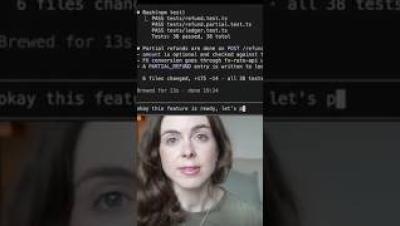
Your coding agent can debug production issues now. Yes… Not just “help you debug.” Actually run the investigation… FOR YOU! In this new era of agentic development, speed matters. And in the old days (you know… last week or so) we used to investigate production bugs ourselves. Manually. Like humans. But for a lot of incidents, we don’t need to do all of that anymore.

What Is GitOps? Principles, Benefits, and How It Works

With GitOps, you can roll back your cluster with git revert and explain each approved change through a commit log. Routing normal changes through Git and running an in-cluster agent that detects drift from the repository gives infrastructure changes the same review and rollback discipline as application code, and Git preserves their history. This guide covers the four GitOps principles, the pull-based reconciliation workflow, and the tools and practices you need to get started.