Operations | Monitoring | ITSM | DevOps | Cloud

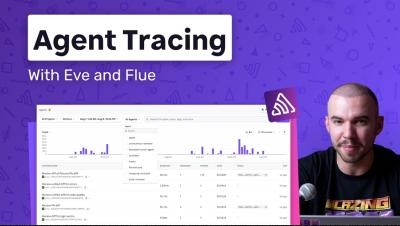
Automated agent triage with Agent Tracing and Claude Routines

Every morning, before anyone on the team has looked at a dashboard, a Claude Routine has already read around 800 of the previous night’s conversations from Seer, Sentry’s AI agent for triaging and fixing errors. It flags the ones that look broken, and files tickets for anything new. By the time we sit down with coffee, the triage is mostly done.

What's new in Sentry Logs: The summer 2026 roundup

We got a little behind on updating our changeLOG, so we’re dumping it all into this bLOG post instead. Think of it as one giant, retroactive changelog entry or, if you want to be dramatic about it, one massive prompt injection straight into your feed. Either way: here’s everything that shipped for Sentry Logs this summer. Would you rather listen to the team talk about what they built? Check out this video where Kyle and Josh talk about the latest updates on Logs.

How we built an automated debugging workflow at Sentry

AI is going to generate a lot of code from here on out, and a lot of bugs along with it. You already know this. We’ve talked about it before. The bigger challenge is making sure you don’t spend all your time fixing the broken code your agents write. You’re going to need a system that makes it easier to fix those issues for you and fortunately, there are a lot of solutions out there for building automated workflows.

Your OTel spans, our errors: A Sentry love story in one trace

You can already send OTel traces to Sentry. Point your OTLP exporter at Sentry’s endpoint, set environment variables, and your spans show up in the trace explorer. Our OTLP setup guide and “You Don’t Need to Pick One” walk you through that. But those spans are islands. You get a trace waterfall in Sentry, sure.