Large Language Models (LLMs) can give notoriously inconsistent responses when asked the same question multiple times. For example, if you ask for help writing an Elasticsearch query, sometimes the generated query may be wrapped by an API call, even though we didn’t ask for it. This sometimes subtle, other times dramatic variability adds complexity when integrating generative AI into analyst workflows that expect specifically-formatted responses, like queries.
The latest versions of Elastic Observability’s most popular observability integrations now use the storage cost-efficient time series index mode for metrics by default. Kubernetes, Nginx, System, AWS, Azure, RabbitMQ, Redis, and more popular Elastic Observability integrations are time series data stream (TSDS) enabled integrations.
Elastic Search 8.9 introduces hybrid search with Reciprocal Rank Fusion (RRF) to combine vector, keyword, and semantic techniques for better results. This release also brings performance improvements in vector search and ingestion with response times that are up to 30%+ faster. Users also have more ingestion options with the new SharePoint Online connector, which includes document-level security.
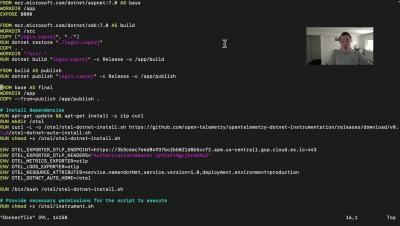
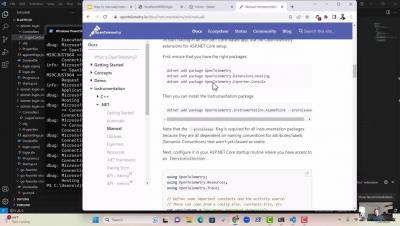
As an SRE, have you ever had a situation where you were working on an application that was written with non-standard frameworks, or you wanted to get some interesting business data from an application (number of orders processed for example) but you didn’t have access to the source code?
Government and education leaders estimate that data volume at their organizations will increase by 59% over the next three years. Although having more information than you need is (arguably) better than not having it when you need it, the sheer volume of data can make it challenging for teams to pinpoint exactly what data will bring value to their mission goals.