Automation is a powerful tool. With some foresight and a little elbow grease, you can save hours, days, or even months of work by strategically automating repetitive tasks. What makes automation particularly beneficial is that it eliminates manual interaction with multiple systems. Rather than manually uploading data to an event response system or notifying key support personnel of an incident, tying these tasks together through automation can reduce critical time and help resolve problems faster and more efficiently. But, before we can fill in the gaps between all of the platforms we are responsible for, we first need to understand how data moves around on the web and how we can use that process to our advantage.
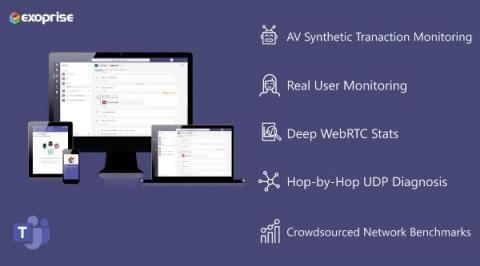
When end-users constantly complain about bad network quality or poor audio video conference experience, you know it's time to shop for a Team's monitoring tool. And your Teams monitoring solution needs to be proactive, provide insight into hybrid work environments, and support real-time diagnosis of network issues for your end-users no matter where they work from. Business leaders rely more than ever on technology teams to deliver a successful company ROI. But problems with complex Teams deployment and unsatisfied workers can lead to increased costs and lower productivity.
Improvements in the performance and accessibility of technology have changed our expectations for how applications should work and, by extension, the way we work. For example, three years ago only 6% of workers were remote. According to the 2021 Upwork "Future Workforce Report," that number is now 22%, and remote workers are expected to reach 28% of the workforce by 2025. As more and more people are let loose from their office tethers, they bring with them a belief that their organization's services and applications should work as they did before. What's more, expectations extend from the workplace to the marketplace.
Continuous Integration and Continuous Delivery (CI/CD) is perhaps best represented by the infinity symbol. It is something that is constantly ongoing, new integrations are rolled out while not interrupting the flow of information that is already running, as to stop systems in order to update them can be costly and inefficient. In order to ensure that you can successfully implement the latest builds into your system, it is important to know how well they will run alongside the components that are already installed and where there may be bottlenecks.