The latest News and Information on API Development, Management, Monitoring, and related technologies.
Today, I'm super excited to announce our new Performance and Error tracing features for all Playwright-based browser checks. One of our key initiatives is supporting you with deeper insights into what is causing issues in the web apps you monitor with Checkly. With this new set of features we give you actionable data for easy debugging; Collected automatically with no extra code needed. Of course, fixing bugs in Production is great, but catching bugs before they go live is even better!
At Speedscale, we are on the cutting edge of defining autonomous testing for the cloud era. However, we aren’t the only company trying to solve this problem and we enjoy learning from every perspective. That’s why Facebook’s recent blog article about autonomous testing caught my eye. They’ve built a sophisticated autonomous test system that introduces many of the same techniques we utilize.
When you sign a contract, you expect both parties to hold their end of the bargain. The same can be true for testing applications. Contract testing is a way to make sure that services can communicate with each other and that the data shared between the services is consistent with a specified set of rules. In this post, I will guide you through using Joi as a library to create API contracts for services consuming an API.
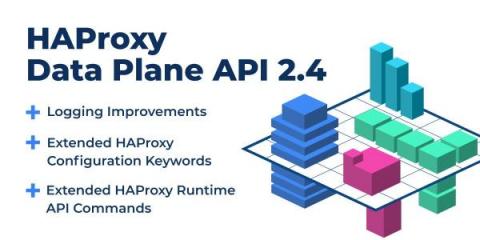
Version 2.4 improves its e2e tests, revamps how logging in the HAProxy Data Plane API works, adds support for namespace filtering in Consul Service Discovery, improves runtime capabilities for maps and ACLs, adds server-template support and adds log_targets to global and defaults sections.
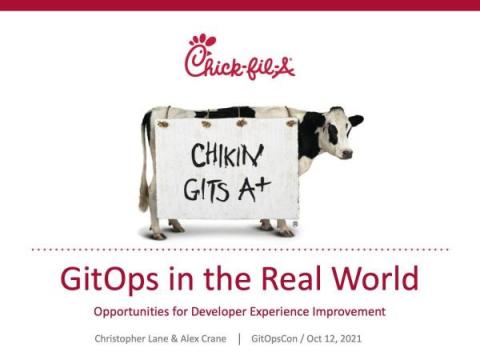
Matt and I are out in Los Angeles this week for KubeCon 2021 this week. At the GitOpsCon event Tuesday we were excited to attend this Kubernetes session: GitOps in the Real World: Opportunities for Developer Experience Improvement.
As LogDNA has grown, many of our customers have too, meaning that they are bringing in more ingestion data sources and expanding their use cases for their logs. To help with managing more data, we’re excited to introduce the Control API suite. We’ve built 4 individual APIs that will help companies programmatically configure their data and how they want to ingest logs. Below, we’ll cover each new API in detail as well as why they are massively impactful for our customers.
Have you ever written a Hello, World! application? In most of these tutorials the first step is to log words to the console. It's an easy way to understand what is going on with your application and readily available in every programming language. The console output is incredibly powerful, and it has become easier than ever to capture that output as logs. As your application grows and evolves you need to implement a structured application log approach.