Without Network Monitoring, there is no good way to get a real-time view of your connected environment. But with Network Monitoring reports, you can look backwards to spot problems and trends. Just as vital are logs that deepen this rear-view mirror look, as they contain all the data for all the elements you are monitoring.
Colleges and universities face immense IT challenges. The end user base is regularly overturning with students coming and going. And residential students are just part of the problem. Increasingly, schools support extensive distance learning, which only gained ground thanks to COVID. Now that remote work and distance learning are the new mandates, there are even more difficult challenges for Higher Education IT to deal with.
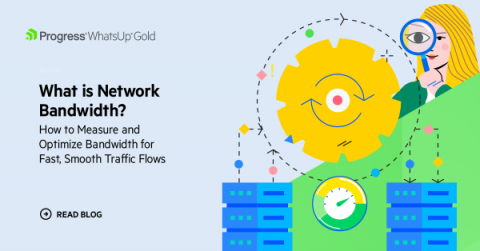
Many think they know what network bandwidth is but conflate performance with capacity. This blog, among other things, will end that confusion. And for true IT experts, we’ll dive deep into the whys and wherefores of network bandwidth monitoring and optimization.
To say that K-12 school systems have challenges is an understatement. COVID forced schools to make a dramatic turn towards remote learning, which meant the network was anything but insular, forcing IT to efficiently support thousands of new remote endpoints. That is on top of other K-12 network challenges. Issue number one: tight budgets. Most school systems are tight for cash, especially after the financial stresses of COVID and all the millions spent on PPE.
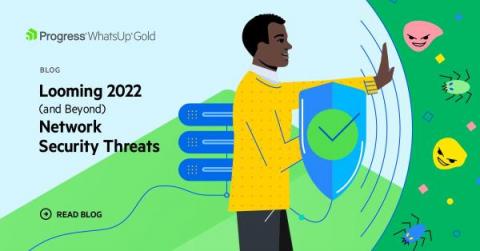
Every year hackers grow in numbers, aggressiveness, organization, and sophistication. And every year there are new attack types and new areas of IT infrastructure that cybercriminals target. 2022 is no different. We are about a third of the way in already and IT pros and security specialists already have their hands full with new attacks and new issues.