
Operations | Monitoring | ITSM | DevOps | Cloud

How To Reduce The Alert Noise For Optimal On-Call Performance

The relentless push in organizations can have unintended consequences, particularly for your On-Call engineers. One threat that can quickly erode their effectiveness is alert noise. When your On-Call engineers are bombarded by constant alerts (– genuine emergencies, false positives or redundant notifications) it creates a state of information overload, forcing them to constantly switch context and struggle to identify the critical issues amidst the din. The result?

The Complete Incident Management Tech Stack To Increase Performance, Reduce Cost And Optimize Tool Sprawl

Effective Incident Management is crucial for keeping your IT services reliable and available. Imagine having a tech stack that not only boosts performance but also cuts costs and reduces tool overload—sounds perfect, right? But finding that ideal mix of tools and best practices can feel overwhelming. Don’t worry, we’ve got you covered!

What we can learn from Google's UniSuper incident comms

Earlier this month, an inadvertent misconfiguration in an internal tool used by Google Cloud resulted in the deletion of a user’s GCVE Private Cloud. The user in question? UniSuper Australia — a $125 billion Australian pension fund with over 600,000 users. In this post, Ashley reflects on the communications shared and what we can learn from them.

From Chaos to Calm: Streamlining Enterprise Ops for Proactive Reliability

Discover how Squadcast revolutionizes incident management for enterprises. Learn how to reduce alert fatigue, automate incident response, and gain valuable insights from past incidents. Our experts will share real-world use cases and demonstrate how Squadcast can streamline your operations, leading to improved reliability and faster resolution times. Key Takeaways.

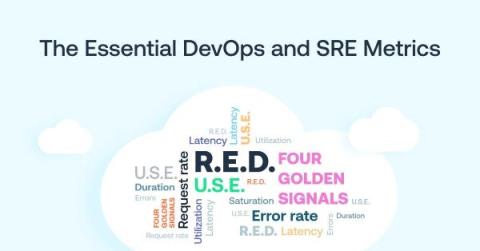
DevOps and SRE Metrics: R.E.D., U.S.E., and the "Four Golden Signals"

In the fast-paced realm of DevOps and Site Reliability Engineering (SRE), success starts with effective monitoring. Understanding the fundamental metrics is crucial for identifying and mitigating issues proactively. In this article, we’ll delve into the leading metrics frameworks — R.E.D., U.S.E., and the “Four Golden Signals” — which will provide you with a solid foundation to enhance your monitoring practices.

What is Site Reliability Engineering and How it Transforms IT Operations?

In today’s digital age, where downtime can cost companies millions and customer expectations are higher than ever, ensuring the reliability of web services and applications is crucial. This is where Site Reliability Engineering (SRE) comes into play. Born out of the unique operational challenges faced by Google, SRE has evolved into a pivotal discipline within the IT and software development world.

Streamlining Operations: A Guide to the Top System Monitoring Tools

In information technology, the saying 'you can't manage what you can't measure' rings true. Blind spots in system health lead to reactive troubleshooting and potential outages. System monitoring software bridges this gap, providing real-time visibility into your infrastructure. It empowers proactive management, maximizing uptime, optimizing resource allocation, and enabling informed future planning.
Sponsored Post

Advanced Incident Management Strategies for Engineers

The business world is in constant flux, and the way we handle Incident Management (IM) needs to evolve alongside it. Incidents come in all priorities and urgencies, and while some can be addressed with any planning, others are simply unpredictable. That's why businesses can't afford to be caught off guard. The potential consequences of such incidents for businesses have never been greater. A single event can disrupt operations, damage reputations, and result in significant financial losses. Here's where modern and advanced Incident Management practices come into play.

Building a DevOps Culture in High-Growth Companies: A Leader's Blueprintment

Let's face it, running a high-growth company is exhilarating! You're constantly innovating, customer demand is soaring, and the future feels limitless. But with that growth comes a unique set of challenges you need to navigate to stay ahead of the curve. Let’s say, your development team is churning out new features at breakneck speed. That's fantastic! But can your operations team keep up with deploying them to production? What about potential bugs or security vulnerabilities?

Site Reliability Engineer (SRE) Interview Questions

In this article we will cover the top 25 SRE interview questions to help you prepare for you next SRE interview. As customer demand for reliable and high-performing services continues to grow, the role of Site Reliability Engineers (SRE’s) continues to grow in importance. Whether you are a seasoned SRE or a recent graduate preparing for an SRE interview, these questions will be invaluable for determining your level of expertise and understanding where you need to grow.

The Engineer's Roadmap to Building Resilient Systems in High Growth Environments

In the past, software development was all about hitting deadlines and budgets. But times have changed. Today, users expect flawless, 24/7 experiences that drive business value. That's why building reliable and resilient systems is no longer a luxury - it's a necessity.

Website content monitoring: Essential tool for marketers and SREs

In the bustling marketplace of the internet, your website is your meticulously curated storefront. It's where you present your products or services to potential customers and aim to make a lasting impression. Just like any well-stocked shop, constant upkeep is essential. Empty shelves, dusty displays, and expired products can send shoppers scurrying straight to your competitors.

Maximizing ROI: The Value of an Incident Response Platform Measured in Metrics

Organizations are constantly challenged by the threat of IT incidents, cyberattacks and breaches. Incidents such as data breaches, malware infections, and system outages can have devastating consequences for businesses, including financial losses, reputational damage, and legal liabilities. In response to these threats, many organizations are turning to incident response platforms to streamline their incident management processes and enhance their cybersecurity posture.

Complete Handbook of OpenTelemetry Metrics

You have probably heard of OpenTelemetry in the context of traces. But did you know OpenTelemetry also supports metrics with a comprehensive, forward-looking data model and SDKs? When it comes to metrics, one thinks of Prometheus, but Otel metrics provide exciting ideas such as cumulative deltas, exponential histograms, and more! This talk will demystify everything about Otel Metrics, from the data model to APIs to how to get started. We will cover the differences between Otel Metrics and Prometheus and explain the reasons why people get excited about using Otel Metrics.

Driving Technical Delivery: Balancing Speed and Quality in Enterprise Platforms

Enterprises face a constant challenge: how to deliver technical solutions quickly without compromising on quality. In the race to innovate and stay ahead of the competition, the pressure to accelerate delivery can sometimes overshadow the importance of maintaining high standards of quality and reliability. However, striking the right balance between speed and quality is crucial for the long-term success and sustainability of enterprise platforms.

Maximizing Uptime: Four Essential System Monitoring Best Practices

System uptime is a fundamental necessity for every organization that gives importance to the customer experience and satisfaction. A single minute of downtime can trigger a cascade of negative consequences, impacting everything from revenue streams to customer loyalty. So, why exactly is system uptime important? Downtime translates to lost revenue, frustrated users, and operational disruption.

Post-Incident Reviews: Turning Failures into Learning Opportunities

Incidents are inevitable. From software failures to service disruptions, unexpected events can disrupt the smooth functioning of systems and processes, causing frustration for users and impacting business operations. However, what separates successful organizations from the rest is not the absence of incidents, but rather their approach to handling and learning from them.

Navigating the Complexity of IT Operations: A Guide for Startups

Startups are the pioneers forging new paths and disrupting industries. At the heart of every startup's success lies its ability to navigate the complexities of IT operations effectively. In this blog, we delve into the intricacies of IT operations for startups, offering insights, strategies, and best practices to steer through the maze of technology with finesse.

What is clinical troubleshooting? #incidentmanagement #incidentresponse #sitereliabilityengineering

In this clip, Dan Slimmons explains what this clinical troubleshooting framework entails. It’s no secret that teamwork is one of those things that, when done right, can make a world of a difference. So sometimes, when responding to a particularly complicated incident, it can be best to bring a team together to figure out what’s going on and work towards a fix. But it’s not enough to just jam a bunch of folks into a room and hope for the best. You need a framework in place to ensure that everyone stays focused, diagnoses the issue and resolves it as quickly as possible.

Learning is an iterative process #incidentmanagement #incidentresponse #sitereliabilityengineering

In this clip, Viktor Stanchev explains why it's important to remember that learning is an iterative process. Whether you’re a seasoned vet when it comes to incident response, or just getting started out, it can be easy to fall into the trap of doing too much all at once. And it just makes sense. Incident response is one of those things that doesn’t have a single, perfect formula, so teams can be left doing a little bit of everything in an effort to get it right.

It's better to declare incidents early #incidentmanagement #sitereliabilityengineering

In this clip, Viktor Stanchev explains why it's better to declare incidents early rather than too late. Whether you’re a seasoned vet when it comes to incident response, or just getting started out, it can be easy to fall into the trap of doing too much all at once. And it just makes sense. Incident response is one of those things that doesn’t have a single, perfect formula, so teams can be left doing a little bit of everything in an effort to get it right.

Elastic's RAG-based AI Assistant: Analyze application issues with LLMs and private GitHub issues

As an SRE, analyzing applications is more complex than ever. Not only do you have to ensure the application is running optimally to ensure great customer experiences, but you must also understand the inner workings in some cases to help troubleshoot. Analyzing issues in a production-based service is a team sport. It takes the SRE, DevOps, development, and support to get to the root cause and potentially remediate. If it's impacting, then it's even worse because there is a race against time.