Operations | Monitoring | ITSM | DevOps | Cloud

The Place Where Modern Operations & Technology Come Together


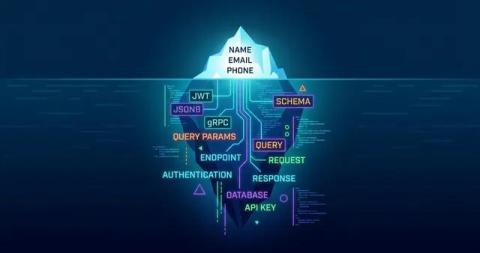
Beware of PII in Testing Data: The Security Iceberg and Where PII Actually Hides
If you run a platform tools or security team, you have likely heard this request from developers: “I just need a copy of the production database for staging so I can run realistic load and integration tests.” It is a completely reasonable request. Production traffic and data contain the actual request shapes, real-world value distributions, long-tail anomalies, and timing patterns that make tests useful.

Build WireMock mappings fast from real traffic
I’m a big fan of service mocking. I’ve been working in and around software for about 25 years, and one thing never changes: when you sit down to work on your code, you almost never have everything available. The database, the third-party API, the message queue, the service two teams over. Something’s missing. So you’ve got to stub it out or mock it out and keep moving.
Dynamic IDs Are Killing Your Replay Tests
Stop dynamic IDs from breaking your integration tests! Tired of manual copy-pasting for IDs in your test cycles? Learn how to use proxymock to help: Check out proxymock.io to get started for free!
The Dreaded 403: Fixing Auth Errors in API Replay
Learn how to resolve the 403 authentication error when replaying API traffic using proxymock. This video demonstrates how to: All tools and demo code are open source and available on GitHub. For more information, visit proxymock.io.
API recording for AI and for Humans #speedscale #api #apitesting #aicoding #softwaredevelopment
This video demonstrates how to use Proxymock, a free tool designed to record API calls. Learn more by watching the full video or visiting proxymock.io.
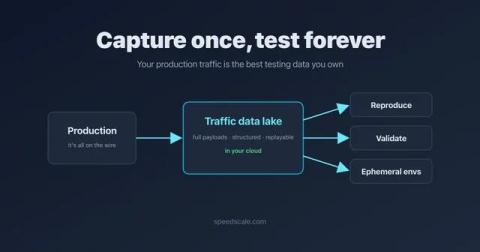
Capture once, test forever
We’ve gotten used to understanding our applications through signals, summaries, and traces. Tiny little bits of information about how the app really works. Not because that’s the best way to do it, but because it’s been too hard to get the real thing. The real information exists. It’s on the network. How people called your app and what your code did. What other systems it called, the database queries it made, and the result sets that came back.
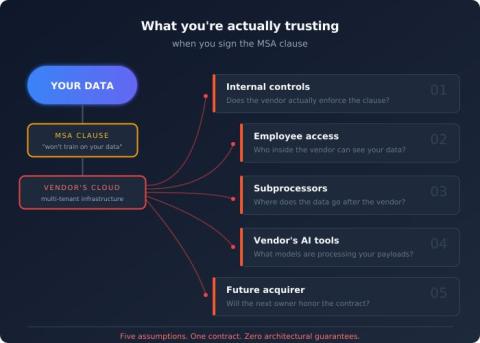
We won't train on your data is not a security architecture
Every enterprise contract I’ve signed in the last two years has the same clause. “Vendor will not use Customer Data to train machine learning models.” Sometimes it’s a paragraph. Sometimes it’s a whole section. The language varies but the intent is identical: don’t feed our production data into your AI. I get it. I sign the same clause as a vendor. But here’s what’s been bothering me: that clause is a promise, not an architecture.