Operations | Monitoring | ITSM | DevOps | Cloud

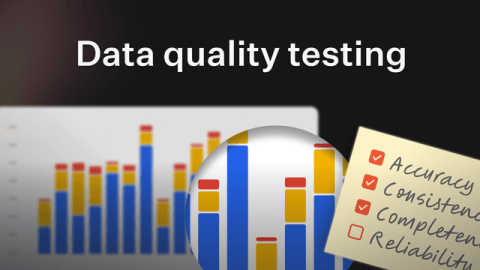
Data quality testing

Data quality testing is a subset of data observability. It is the process of evaluating data to ensure it meets the necessary standards of accuracy, consistency, completeness, and reliability before it is used in business operations or analytics. This involves validating data against predefined rules and criteria, such as checking for duplicates, verifying data formats, ensuring data integrity across systems, and confirming that all required fields are populated.
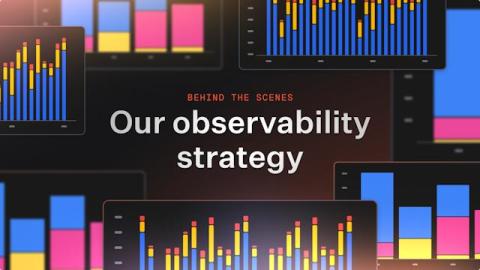
Building On-call: Our observability strategy

At incident.io, we run an on-call product. Our customers need to be sure that when their systems go wrong, we’ll tell them about it—high availability is a core requirement for us. To achieve the level of reliability that’s essential to our customers, excellent observability (o11y) is one of the most important tools in our belt. When done right, observability improves your product experience from two angles.

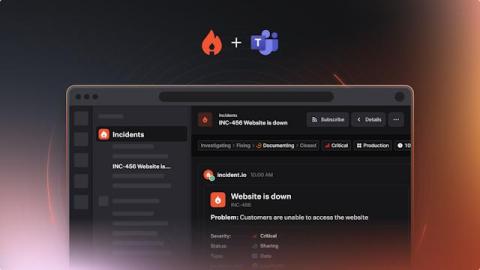
Introducing: incident.io for Microsoft Teams

There’s a major outage. Support tickets are mounting. Everybody from engineering to legal is scrambling for information. You have more Teams notifications clamouring for attention than you do minutes to address them, and it’s hard to know where to begin. What comes next is a balancing act—mitigating the impact, updating colleagues, managing action items, or updating a status page that will be seen by millions.

Building On-call: Continually testing with smoke tests

With the release of On-call, our system’s reliability had to be solid from the outset. Our customers have high expectations of a paging product—and internally, we would not be comfortable with releasing something that we weren’t sure would perform under pressure. While our earlier product, Response, was the core of a customer’s incident response process after an incident was detected, we’re now the first notification an engineer gets when something’s wrong.

Redefining incident management: the power and pitfalls of AI

Like it or not, AI is having a monumental impact on our lives. Most of the products we engage with today have AI features and functionality, aimed at assisting or completely replacing the actions normally taken by humans. When it comes to incidents, we’re firm believers of accelerating human actions, and believe the risk of over-automation far outweighs the benefits. In this live event we’ll dig a little deeper on why, as we cover the power and pitfalls of AI.

Where does the time go after you resolve an incident?

We were curious: once an incident is over, how long does it take companies to document, review, create learnings, finish clean-up items, and complete any other follow-up action items? We work with a wide variety of companies, from small start-ups to Enterprises with thousands of engineers. But we wanted to know: where is their time spent after they resolve an incident? Here’s what we found!

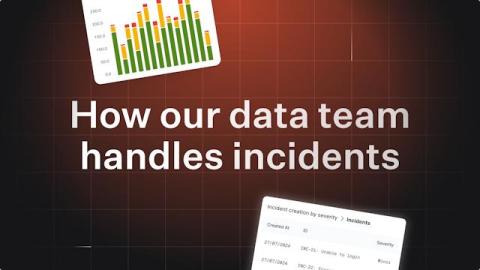
How our data team handles incidents

Historically, data teams have not been closely involved in the incident management process (at least, not in the traditional “get woken up at 2AM by a SEV0” sense). But with a growing involvement of data (and therefore data teams) in core business processes, decision making, and user-facing products, data-related incidents are increasingly common, and more important than ever.

The Debrief: Debriefing on the Crowdstrike incident

In this episode, Norberto (VP of Engineering) and Lawrence (Product Engineer) delve into the recent CrowdStrike incident that began on July 19th. Rather than focus on technical specifics, they provide a thoughtful exploration of key aspects that matter to us at incident.io, such as effective communication, overall response strategies, and proactive problem-solving during crises.

A tough day for incident responders: lessons from the CrowdStrike update

Today marks a particularly challenging day for incident responders across the globe. As many of you may have noticed, a recent update from CrowdStrike has triggered widespread disruptions, causing chaos in various sectors. The ripple effects have been far-reaching and severe: While the technical specifics of the issue might not be the focus here—and indeed, there are experts better suited to dissect the cause—what's crucial is understanding the impact on those who manage such crises.