Operations | Monitoring | ITSM | DevOps | Cloud

Top Shopify Agencies for B2B ERP Integrations in 2026

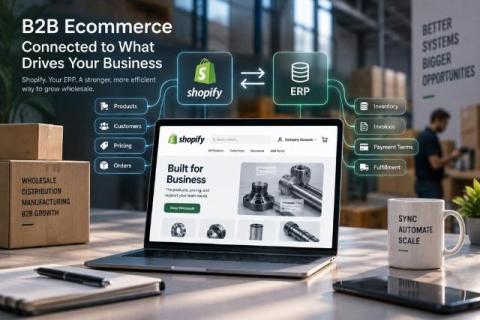
For manufacturers, distributors, wholesalers, and other B2B businesses, a Shopify implementation often depends as much on back-office systems as it does on the storefront. An ERP may remain responsible for inventory, product information, customer accounts, pricing, payment terms, orders, invoices, or fulfillment. If Shopify and the ERP operate independently, teams can end up re-entering orders, correcting inventory, reconciling pricing, and manually updating customer records.


Can You Really Earn Crypto for Free? Faucets, Rewards, and the Costs Behind Them

Crypto faucets and reward platforms have existed for years, but the idea of "free crypto" still deserves a closer look. Sites such as cointiply.promo cover services where users can earn small crypto rewards through faucet claims, surveys, offerwalls, ads, referrals, and other activities. These platforms can distribute genuine rewards, yet users rarely receive something for nothing. They usually exchange time, attention, personal data, or participation for a small payment.

How Azure Fundamentals Can Strengthen Your Cloud and Digital Technology Skills

Many people encounter AZ-900 (Microsoft Certified: Azure Fundamentals) as a checkbox and never ask what it teaches them beyond Microsoft Azure. The more useful question is whether a fundamentals-level credential can build digital skills that remain relevant after the exam or whether it amounts to little more than a badge.

How Observability and Real-Time Data Can Improve Warehouse Operations

Warehouse operations generate a constant stream of information. Goods are received, inventory moves between locations, orders enter picking workflows, stock levels change, and shipments leave the facility. When these activities are managed through disconnected systems or delayed manual updates, managers can struggle to understand what is actually happening on the warehouse floor.

How Smart Office Technology Is Changing the Modern Workplace

The modern workplace is no longer defined by desks, conference rooms and a reliable Wi-Fi connection. As organizations adopt hybrid work, flexible office layouts and increasingly connected tools, the traditional workplace is struggling to keep up. Employees expect meeting rooms that are easy to use, flexible spaces that adapt to changing needs and technology that supports both in-person and remote collaboration.

Spreadsheet-Based Sales Commissions Are Reaching Their Limit as SaaS Plans Grow More Complex

Sales compensation is one of the last calculations many companies still run by hand, and that gap is becoming harder to ignore as commission plans grow more complicated. The tools built to replace spreadsheets - sales commission software, also known as incentive compensation management (ICM) platforms - don't just move the math into an app. They change how the underlying data is sourced, stored, and verified.

How to Build a Faster Content Workflow for Your WordPress Site

Building a faster content workflow starts with knowing which steps slow a WordPress team down, rather than adding more tools on top of a process that's already unclear. Blog posts and pages often pass through several hands before they go live, from the first outline to the final proofread, and every handoff is a chance for something to stall.

From Monitoring to Prediction: How Fleet Data Is Changing Maritime Operations

Most maritime operators already collect more fleet data than their shore teams can meaningfully use. Positions appear on screens, real-time data arrives from onboard systems, and reports document vessel performance throughout a voyage. Tracking where a ship is has become the easy part. The harder question is what happens when that information starts indicating what the vessel will do next. The change in maritime operations comes down to shifting from reviewing events to anticipating them early enough to alter an operational decision.

Why Most Security Firms Miss Their Incident Prevention Window

Security operations managers face a critical paradox: their teams are designed to respond to incidents, but the incidents that matter most are the ones that never happen. The difference between a security firm that prevents problems and one that merely responds to them comes down to a single, often-overlooked factor: whether they can see what their guards are actually doing in real time. When operators lack live visibility into patrol locations, guard status, and emerging threats, they're always one step behind.