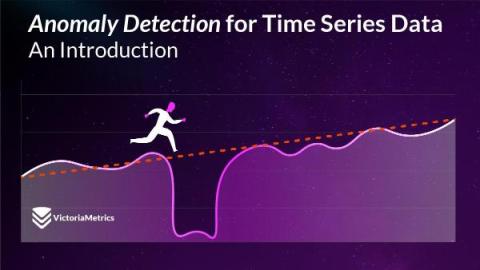
Welcome to the handbook on Anomaly Detection for Time Series Data! This series of blog posts aims to provide an in-depth look into the fundamentals of anomaly detection and root cause analysis. It will also address the challenges posed by the time-series characteristics of the data and demystify technical jargon by breaking it down into easily understandable language. This blog post (Chapter 1) is focused on.
Imagine, if you will, having hundreds of devices that you need to monitor. All these devices generate data at sub-second intervals, and you need all that high fidelity data for historical analysis to feed machine learning models. Storing all that data can get really expensive, really fast. When that happens, you must decide what’s more important: keeping all your data or sacrificing insights and analysis. It may not be a big stretch of the imagination for many readers.
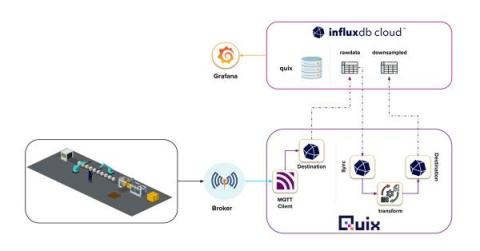
With our plans for InfluxDB 3.0 OSS laid out, both myself and the rest of the DevRel team have been actively searching for ecosystem platforms that would be logical integrations for the future of InfluxDB. One of these platforms is Quix! Quix is a comprehensive solution tailored for crafting, launching, and overseeing event streaming applications using Python. If you’re looking to sift through time series or event data in real-time for instant decision-making, Quix is your go-to.
With the smart home revolution in full swing, choosing the proper hardware for platforms like Home Assistant can be overwhelming. Whether you’re new to home automation or a seasoned pro, the hardware you select can make or break your experience. But fear not! This comprehensive guide will demystify the requirements, delve into the various options, and help you make an informed decision. From the compact Raspberry Pi to the powerful Intel NUC, we’ve got you covered.
The cybersecurity industry is experiencing an explosion of innovative tools designed to tackle complex security challenges. However, the hype surrounding these tools has outpaced their actual capabilities, leading many teams to struggle with complexity and extracting value from their investment. In this conversation with Optiv‘s Randy Lariar, we explore the potential and dangers of bringing advanced data analytics and artificial intelligence tools to the cybersecurity space.