Operations | Monitoring | ITSM | DevOps | Cloud

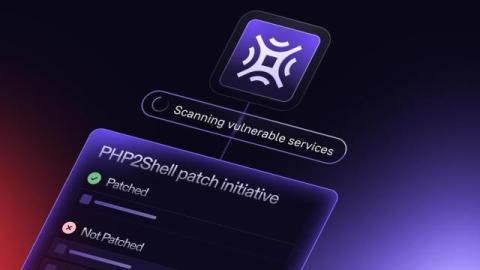
PHP2Shell: Manage security patches at scale with Cortex

"Patch every PHP server. Today." That was the message a lot of engineering leaders got the week of October 20. PHP2Shell is a pair of unauthenticated remote code execution bugs in PHP itself, CVE-2026-109618 and CVE-2026-109619, both rated CVSS 9.2. Attacks started before the patches shipped, and working exploits followed within days.

Policy as code for AI coding: How to turn engineering standards into guardrails for AI agents

Key Takeaways Engineering standards exist in every organization. They cover how services communicate, how secrets are managed, who reviews changes before they merge, and what "production-ready" means. The problem is where those standards live: wiki pages, onboarding docs, the memory of whoever happens to review a pull request that day. Conventional enforcement depended on reviewer knowledge, which varied across teams.

Engineering ops review agendas for startups and enterprises

It’s 9 p.m. on Sunday, and an engineering manager is pasting PagerDuty counts and Datadog graphs into a slide deck for Monday’s engineering ops review. On Monday, the first incident readout eats half the hour, the VP drops off for another call, and nobody gets to last week’s action items. Two quiet weeks later, someone cancels the meeting because nothing broke.

Your engineers already wrote your platform roadmap

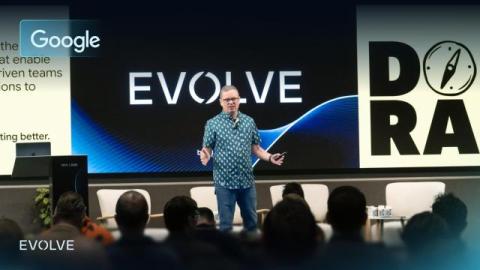
At EVOLVE, Cortex’s annual engineering leadership conference, Nathen Harvey (Google Cloud’s DORA lead) asked the audience to name the biggest friction point in their software delivery lifecycle. Of 69 people who voted, none picked “building”. Reviewing changes and measuring impact nearly tied for first. Risk, security, ownership, and trust topped the EVOLVE audience's list of what keeps AI-built software out of production, and all four are platform problems.

What is Spotify Backstage?

Summary Spotify Backstage is a free, open-source framework for building internal developer portals, with a software catalog, templates, TechDocs, and a large plugin ecosystem. It’s a strong fit if you have a dedicated platform team that wants to build and run its own portal. If you want a current catalog, enforced standards, and org-level reporting without maintaining the infrastructure, a managed platform like Cortex is the better fit.

The Five Levels of the Enterprise AI Software Factory

Scroll LinkedIn for ten minutes and you'd think every engineering organization already runs an autonomous SDLC, with agents writing, reviewing, and shipping code while humans watch. Inside large enterprises, the picture looks different. Coding agents there have to work around sensitive customer data, recurring compliance audits, a larger attack surface, downtime that costs millions, and a CFO who wants to know what last year's token spend bought.

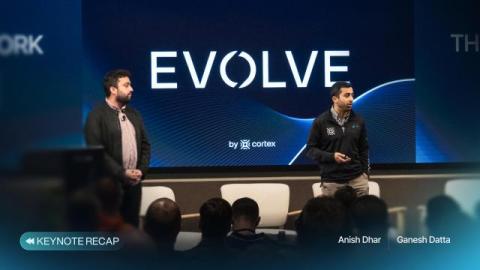
EVOLVE 2026 Recap: Operational Excellence for the AI-Native SDLC

Last week we hosted our annual conference, EVOLVE, where global engineering leaders came to talk through the realities of building AI-native SDLCs. When asked to name the biggest friction point in their software lifecycle, attendees gave telling answers: ‘reviewing changes’ took 36 percent, ‘measuring impact’ took 35, and ‘building’ drew zero votes.

DRIVE vs DX Core 4: What each framework measures and when to use them

Engineering organizations spent the past decade learning to measure developer and team productivity. Measurement of the organization itself did not keep pace. Now that agents are responsible for writing most of the code across many engineering organizations, it’s more important than ever to have an effective methodology for measuring productivity.

DRIVE vs SPACE: What each framework measures and when to use them

When Nicole Forsgren, Margaret-Anne Storey, and their coauthors published "The SPACE of Developer Productivity" in 2021, they settled an argument the industry had been losing for years. Productivity is not one number, and it is not a proxy like commits or story points. It is multidimensional, and any attempt to flatten it into a single metric will mislead you. Most of what came after in developer productivity measurement builds on SPACE. SPACE and DRIVE were built for different jobs.

A practical guide to risk-based code review

Traditional code review no longer keeps pace with how much code teams are shipping. Risk-based code review is the response: instead of giving every pull request the same scrutiny, you route human attention by risk, letting low-risk changes ship with light or automated review and reserving deep human review for the changes that are expensive to get wrong.