ElasticON EMEA Keynote: Illuminate Your Possibilities
Join Shay Banon, Founder & CTO along with Uri Cohen, VP of Product Management, at ElasticON Comes to You in Amsterdam for this year’s keynote.


When thinking about holistic end-to-end observability, it can help to start with what you already have. Many government agencies are already strategically ingesting and storing logs — a key component of observability. More than a year and a half after the release of M-21-31, US government agencies continue to work through the logging maturity models outlined in the memorandum.
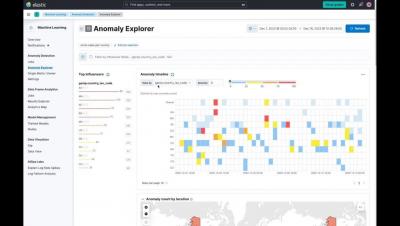
With more and more applications moving to the cloud, an increasing amount of telemetry data (logs, metrics, traces) is being collected, which can help improve application performance, operational efficiencies, and business KPIs. However, analyzing this data is extremely tedious and time consuming given the tremendous amounts of data being generated. Traditional methods of alerting and simple pattern matching (visual or simple searching etc) are not sufficient for IT Operations teams and SREs.
Historically, software development and SRE have worked in silos with different cultural perspectives and priorities. The goal of DevOps is to establish common and complementary practices across software development and operations. Sadly, in some organizations true collaboration is rare and we still have a way to go to build effective DevOps partnerships.
Artificial intelligence for IT Operations (or AIOps) has been playing an expanding role in helping SREs, DevOps, and developers effectively navigate the challenges around application and infrastructure complexity, pace of change, and data volume that characterize the operations landscape.