
Lifting Equipment Operations: Safety Monitoring and IoT-Enabled Maintenance
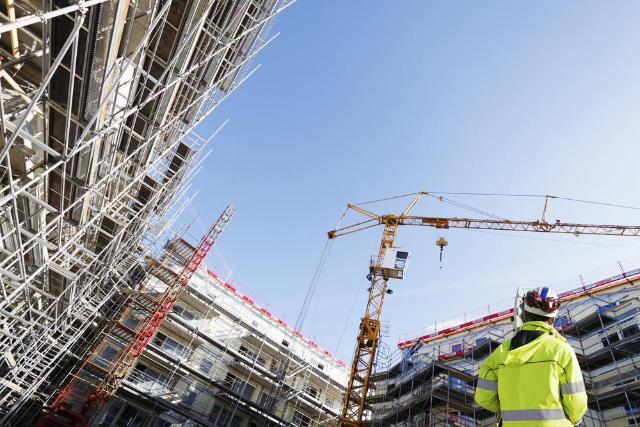
Image Source: depositphotos.com
A tower crane lifts ten tons of steel 50 meters up. A gantry crane in a shipyard moves containers weighing 40 tons. A winch pulls a vehicle onto a flatbed. These operations have one thing in common: failure is not an option.
Lifting equipment operates in some of the most demanding environments on earth. Construction sites, shipyards, mines, and warehouses all depend on it. When a crane fails or a sling breaks, the results can be catastrophic. Here is how technology improves safety and uptime.
The problem with manual inspection
Lifting equipment gets inspected visually. A sling shows fraying. A hook is bent. A crane wire rope has broken strands. Someone spots it. Someone writes it down. Someone orders a replacement.
This works until it does not. An inspector misses a worn webbing strap. It breaks under load. The load drops. People get hurt. Equipment gets damaged. Work stops for days.
Manual inspection is also reactive. It catches problems that have already started. It does not predict when a component will fail. The inspector only sees the surface. Internal wear and fatigue remain hidden until something breaks.
The frequency of inspection varies by regulation and risk. Most jurisdictions require monthly or quarterly inspections for critical lifting gear. But a visual inspection every three months leaves a lot of room between checks. A sling that gets damaged two days after inspection will not be caught for another 88 days. IoT monitoring fills that gap with continuous observation.
IoT-enabled lifting equipment
IoT technology changes this. Load cells measure actual weight lifted. Strain gauges detect metal fatigue. RFID tags track each sling's service life.
A dashboard shows every piece of lifting gear. Slings, shackles, hooks, and turnbuckles all have digital records. The system knows how many cycles each has completed. It knows the maximum load applied. It flags components nearing end of life.
For example, a set of lifting slings rated for 5,000 cycles might be inspected after 4,000. The system sends an alert. The safety manager checks them proactively instead of waiting for a failure.
Crane telemetry
Modern tower cranes and overhead cranes have multiple sensors. They measure wind speed, load moment, jib angle, and hoist speed. Data goes to a central system.
The operator sees real-time readings in the cab. If wind exceeds safe limits, the system sounds an alarm and limits movement. This prevents the crane from operating in dangerous conditions.
Telemetry data also supports maintenance. A crane with increasing vibration in the slewing gear needs inspection. The system tracks vibration trends over time. It alerts the maintenance team before a gearbox fails. The cost of replacing a gearbox on schedule is a fraction of an emergency replacement that stops the crane for a week.
Construction hoists, also known as personnel lifts, get similar treatment. Door sensors, speed monitoring, and overload detection all report data. Maintenance teams get alerts before problems become safety incidents.
For large construction projects with multiple cranes, a central monitoring platform shows everything. The project manager sees which cranes are active, their load levels, and any alarms. This visibility improves coordination and safety. It also helps with productivity tracking. A crane that is idle 40 percent of the time might need better scheduling or different rigging.
Rigging hardware tracking
Slings, shackles, and spreader bars are critical but easy to lose track of. A shackle used in the wrong application can fail. A sling with undocumented damage is a liability.
A digital approach tracks each piece. When a shackle leaves the warehouse, its RFID tag gets scanned. The database records the job, technician, and date issued. When it comes back, it gets inspected. If damaged, it is retired. If good, it goes back into inventory.
This saves time. No more guessing whether a shackle is rated for the next job. No more lost gear. The database always knows the status.
Some companies use color-coded tags that expire after a set period. The system tracks expiration dates. An annual inspection cycle becomes automatic. The maintenance team knows exactly what needs inspection each month.
Predictive maintenance
The data from sensors and tracking systems feeds predictive maintenance algorithms. These algorithms identify patterns that indicate wear. A hoist motor drawing more current than usual may have bearing issues. A wire rope with increasing break frequency needs replacement.
Predictive maintenance reduces unplanned downtime by 30 to 50 percent. For a crane that costs $500 per hour in downtime, this adds up fast. A single day of avoided breakdown can justify the entire sensor investment.
The key is setting the right thresholds. A vibration level that is normal for one crane might indicate problems for another. Baseline readings taken after installation provide the reference point. The system compares current readings against the baseline. Deviations trigger investigation.
Safety compliance and auditing
Safety regulations require documented inspections. Digital records make compliance easy. Every inspection has a timestamp and result. Auditors can verify the entire history in minutes.
In the event of an incident, these records are invaluable. They show that inspections were performed on schedule. They identify any missed warning signs. This data protects both the company and its workers.
Takeaway
Lifting equipment does not fail often. When it does, the results are serious. IoT sensors and digital tracking reduce risk. They also reduce downtime through predictive maintenance.
Preventive maintenance beats emergency repairs every time. The data from connected lifting equipment makes preventive maintenance practical and cost-effective. The industry is moving from wait-for-breakdown to know-before-failure. For any operation that depends on cranes, hoists, and rigging, that shift is worth making.