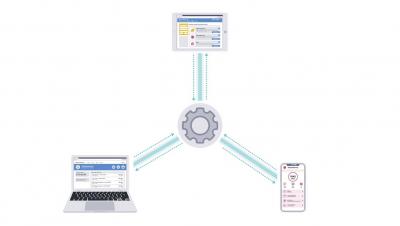
Manage your DevOps pipeline from a single pane of glass. The JFrog Platform provides a universal end-to-end solution that integrates with your ecosystem to orchestrate and optimize all key processes in your CI / CD pipeline. Deliver fearless updates from code to the edge in self-managed, on-prem, hybrid, and multi-cloud environments.
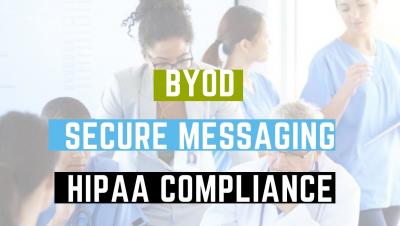
Nine in 10 hospitals have already made or are making significant investments in smartphones. However, with the emergence of this trend, the threat of non-secure messaging has been on the rise. Our latest eBook discusses the potential risks of this rising trend and possible solutions to remain HIPAA-compliant, all while streamlining clinical communications and operations. Learn how your organization can practice safe and secure messaging in order to enhance the healthcare experience today.
In this episode of Stack Doctor, Yuri Grinshteyn talks about how you can use Stackdriver to create metrics from logs. Specifically, you’ll learn how to create and use distribution and counter metrics.
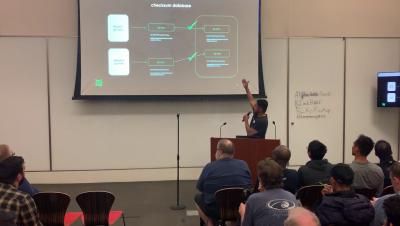
Deep Datta from the JFrog Community Team shares his learnings about Go 1.13 introducing important security features to Go Modules including a checksumdb. He explains how this works and provides information on other tools in GoCenter that keep modules secure include vulnerability scanning and Jfrog Xray.
Chapter 3 in Atlassian's "How To Get The Most Out Of Confluence Cloud" series. In just under 3 mins, this video demonstrates how to use Confluence for popular use cases like knowledge management, collaboration, and employee engagement. Learn how to use tables, anchored headings, comments, and blogs.
Chapter 2 in Atlassian's "How To Get The Most Out Of Confluence Cloud" series. In just under 4 mins, this video demonstrates how to create a page in Confluence from scratch or using best practice templates. Learn how to use the Confluence editor with powerful macros, publish a page, and set permissions.
Security is one of the most talked-about topics for Kubernetes users. Google “Kubernetes security” and you'll find a huge number of articles, blogs and more. The reason is simple: you need to align your container and Kubernetes security with your organization’s existing security profile.