What is RMM Software? RMM Software is short for Remote Monitoring and Management Software. A central platform, that lets you monitor all IT systems at once, and also to take action and resolve IT issues remotely.
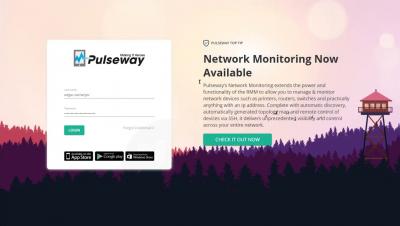
If you want to just watch your network, then most of the major vendors have you covered . But If you want to keep your network available….you need NetOps. NetOps is more than just network monitoring. The objective of NetOps is to enable visibility to your team based on scale, simplicity and speed.
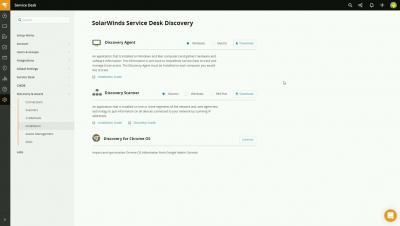
Managing IT assets can be a challenge if you don’t have a powerful tool to accurately track your IP-connected devices. Whether it’s ensuring all your employees are using the latest operating system software version or quickly attaching a related item to a ticket, with SolarWinds Service Desk, you can keep track of your inventory and budget and ultimately mitigate risk when staying on top of your assets. This short video shows you how to install and use the Solarwinds Discovery Agent and Discovery Scanner.
Join us for the third episode of Have You Herd? as our team breaks down the observability journey from the old days of bare metal racks all the way to what may come in the future. Also as bonus fun! a new "guess the cow" game to kick us off!
Another story from Don's time at Atlassian, this time with Hipchat (the OG chat service before Slack became popular), where the small and mighty team was doing software delivery in a very modern way (at the time).
We're delighted to announce Civo Academy! A full Kubernetes learning program consisting of over 50 videos created in-house by the team here at Civo. Best of all, it's available completely free of charge!
Bitbucket Product Manager demos how to use Pipelines Runners. Learn how to execute your Bitbucket pipelines builds on your own infrastructure, so you have more control over your server configurations.
The Elastic Certified Observability Engineer exam tests your knowledge and skills on using the Elastic Stack to implement observability, from ingesting metrics, logs, APM and uptime data to a single data source, to analyzing and reacting to events using Kibana, machine learning, and alerting.