In this episode of SolarWinds Lab, the team breaks down one of our largest, multi-product feature releases to date. Between the new Orion Maps 2.0 engine, reboot of the status engine for roll ups and alert filtering, and the reveal of the #1 THWACK member-requested Network Insight for Palo Alto module for Network Performance Monitor – we know you’ll have plenty of questions.
Interested in how to tune-up your services to derive even more benefit from your PagerDuty implementation? Easy and simple changes can have a huge impact on how much time and money you spend.
Gianluca will dig deep into how to monitor Kubernetes with InfluxDB using lessons learned from building and running InfluxDB Cloud on Kubernetes. He will cover what metrics should be collected, when to use push and pull metric collection, and the role that Prometheus plays in any K8s monitoring environment.
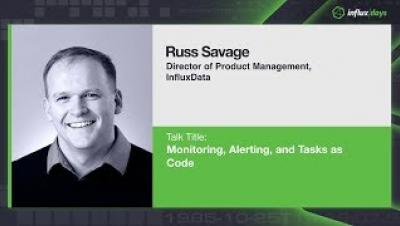
In this talk Russ will explore how to build tasks, alerting rules, and triggering events inside of InfluxDB 2.0 with the new Flux language. Russ will then showcase how to work this into a regular development flow by using command line tools for testing, source control as the source of truth, and testing against production data.
Grafana’s new Explore area is adding support for both metric and logs display for the Influx datasource. This allows you to quickly access your metrics, and as part of troubleshooting, bring up related logs. We’ll also look at the latest support for Flux inside Grafana.
Dan Roscigno from Elastic will show you how to get started - from deploying a k8s cluster in GKE, to deploying the ECK Kubernetes Operator, and then deploying Elasticsearch and Kibana. After launching Kibana and enabling monitoring you will see the Elasticsearch cluster scale from one to three nodes.