Operations | Monitoring | ITSM | DevOps | Cloud

Chapter Eleven: In Which James Speaks with the Industry Analysts

This is the eleventh chapter in The Observability Odyssey, a book exploring the role that intelligent observability plays in the day-to-day life of smart teams. In this chapter, our IT Ops Leader, James, speaks with the analysts about what’s happening in the AIOps space.
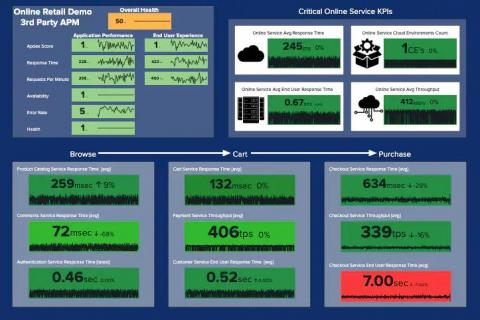

3rd Party APM: Unite Your Legacy APM Data on Your Journey to Observability!

Today you likely have one or more legacy APM (Application Performance Monitoring) solutions. You are moving from a monolithic architecture to microservices, and you are accelerating your journey to Cloud, and you need to deliver at speed with scale and quality to your customers. Sadly, visibility into these results are limited to each of these solutions and their interfaces.

Getting Started with Site Reliability Engineering

Site Reliability Engineer (SRE) is one of the fastest growing jobs in tech, with Linkedin reporting 34% growth YoY in 2020 and over 9000 openings in their Emerging Jobs Report. If you’re new to SRE and exploring it as a career path, understand that it can be a challenging but rewarding experience. Here are some quick tips on how you can get started with SRE and jump-start a rewarding career.

TL;DR InfluxDB Tech Tips - Aggregating across Tags or Fields and Ungrouping

So you’re interested in time series databases, and you decided to explore InfluxDB Cloud or InfluxDB v2. Perhaps you just created a free account or downloaded the binary, and now you’re playing around with the InfluxDB User Interface (UI) and learning Flux. The hardest thing for beginners to understand are the return results from a Flux query or Annotated CSV.

How Sportsbet enhanced data security with automation

At Sportsbet, an Australian online betting company with more than 1.25 million customers, one thing we’re not willing to take a gamble on is customer security. That means having strict identity and access management protocols in place to protect customer data and get better visibility into whom our employees are and what they have access to.

How to Debug Remotely in VS Code

You’re likely familiar with local debugging—the ability to go through your code line by line to find and eliminate bugs. However, with the ever-increasing complexity of development environments, working efficiently with remote systems is becoming more necessary. In this case, “remote” can mean any machine you don’t have native OS-level access to, such as Virtual Machines, Docker containers, and entirely separate devices accessed over the network.

We now support Pushover's priority messages

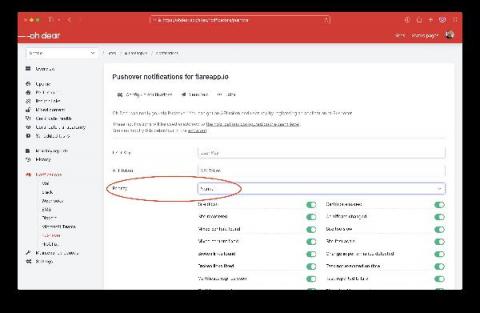
When we detect something wrong with your site (it is down, a broken link is detected, the certificate is invalid, ...), we can notify you via one of the many notification channels we support. One of those channels is Pushover, an excellent service to send native notifications to mobile devices. We have supported Pushover since we launched a couple of years ago. Now, we've added a nice option that several of our users we're asking for: setting the priority.