Operations | Monitoring | ITSM | DevOps | Cloud

Deploy Open Telemetry to Kubernetes in 5 minutes

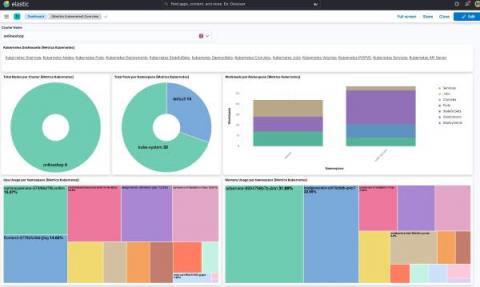
OpenTelemetry is an open-source observability framework that provides a vendor-neutral and language-agnostic way to collect and analyze telemetry data. This tutorial will show you how to integrate OpenTelemetry on Kubernetes, a popular container orchestration platform. Prerequisites.
Metrics vs. Logs vs. Traces (vs. Profiles)

In software observability, we often talk about three signal types - metrics, logs, and distributed traces. More recently I've been hearing about profiles as another signal type. In this article I will explain the different observability signals and when to use them in a clear and concise way.

Time Series Data, Cardinality, and InfluxDB

In the world of databases, cardinality refers to the number of unique sets of data stored in a database. If we drill down a little further, we can think of cardinality as the total number of unique values possible within a table column or database equivalent. When thinking about time series data, we can ask some specific questions about cardinality. What does cardinality look like in practice? When does cardinality become a problem? How do we prevent cardinality issues?

Gain real-time observability into your software supply chain with the New Relic Log Analytics Integration

JFrog’s new log analytics integration with New Relic brings together powerful observability capabilities to monitor, analyze, and visualize logs and metrics from self-hosted JFrog environments. The integration is free for all tiers of self-hosted JFrog customers and utilizes the powerful, open source log management tool, Fluentd, to collect, process, and surface data in New Relic dashboards.
Sponsored Post

Best practices when managing an outage

There's never a good time for a service outage. And, from the moment it hits, it starts affecting your stakeholders. Suddenly, essential daily tasks are curtailed while your team enters emergency response mode. However, the surest way to mitigate damages and recover quickly is to follow a set of best practices. It's far better to plan for an outage. But if you wait until it happens before you start developing a response, you will be far behind where you need to be for a quick resolution. This guide will help you create a set of best practices for your organization. This will help you work toward faster and more effective responses.

Network traffic analysis: A brief report on significant network performance monitoring avenue

Most corporate IT landscapes have a variety of traffic types involved, like cloud, web, and video. With network endpoints interconnected, the performance and risk of handling these traffic types can also increase. Although major solutions can detect threats with predefined signatures, detecting newer attacks requires focusing on communications such as those from API or SaaS applications.